
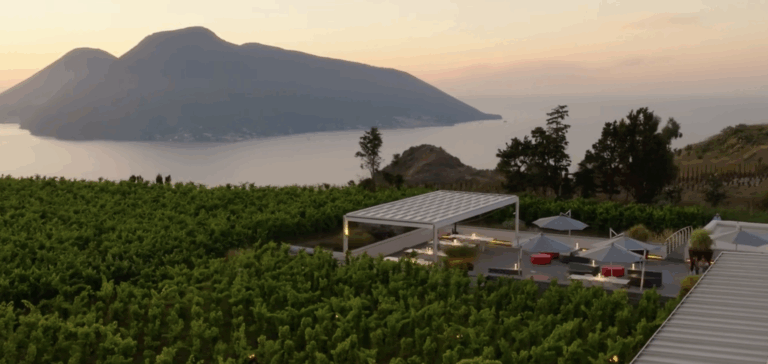
Tenuta Castellaro
written by Erika Mantovan
Do you want to know a volcanic wine from the Aeolian Islands?
Amid the hills of Lipari in the Aeolian Islands, Tenuta di Castellaro stands as an important example of sustainable viticulture in southern Italy. Founded in 2005 by the Lentsch family, the estate combines organic production, a zero-impact winery, and boutique hospitality in a model that brings together both the agricultural and the enotourism aspects of the business.
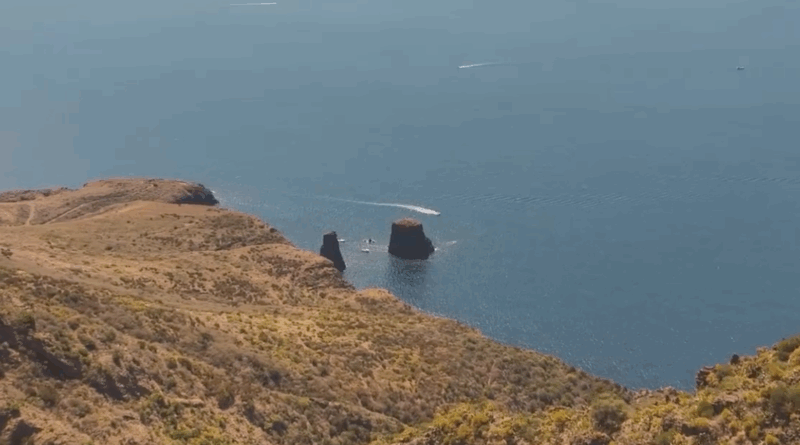
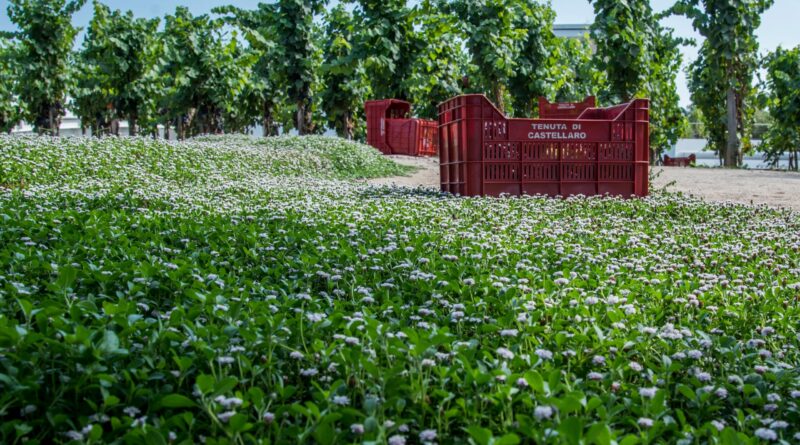
With 24 hectares of vineyards and an annual production of around 70,000 bottles, Tenuta di Castellaro focuses on native grape varieties such as Malvasia delle Lipari and Corinto Nero, cultivated on volcanic soils using the traditional bush-trained system with high planting density. All vineyard work is done by hand, following organic and vegan protocols. The winery, built entirely underground in the Piana di Castellaro, is bioenergetic and uses gravity flow, natural light, and ventilation to minimize environmental impact. Today, it is the largest sustainable winery in the Aeolian Islands.
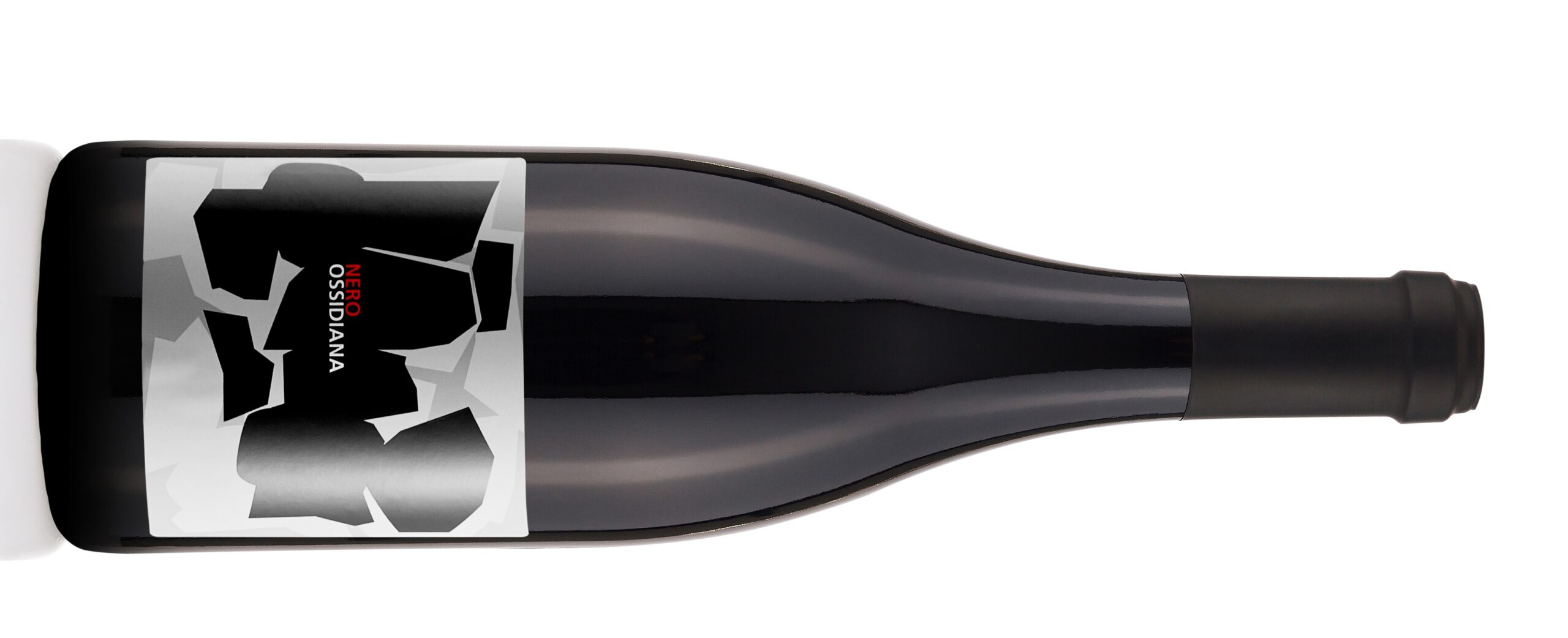
Nero Ossidiana
This wine, made from Corinto Nero with a touch of Nero d’Avola, represents the core expression of the estate’s red wine production. Fermented with indigenous yeasts and vinified exclusively in stainless steel, Nero Ossidiana takes its name from the island’s black volcanic stone. In the glass, it shows an intense ruby red color, with aromas of dark fruit, spices, and saline hints. The palate is structured, fresh, and mineral, with a long, savory finish. A well-balanced and precise red that reflects the essence of Lipari’s volcanic character. (92 pts.)
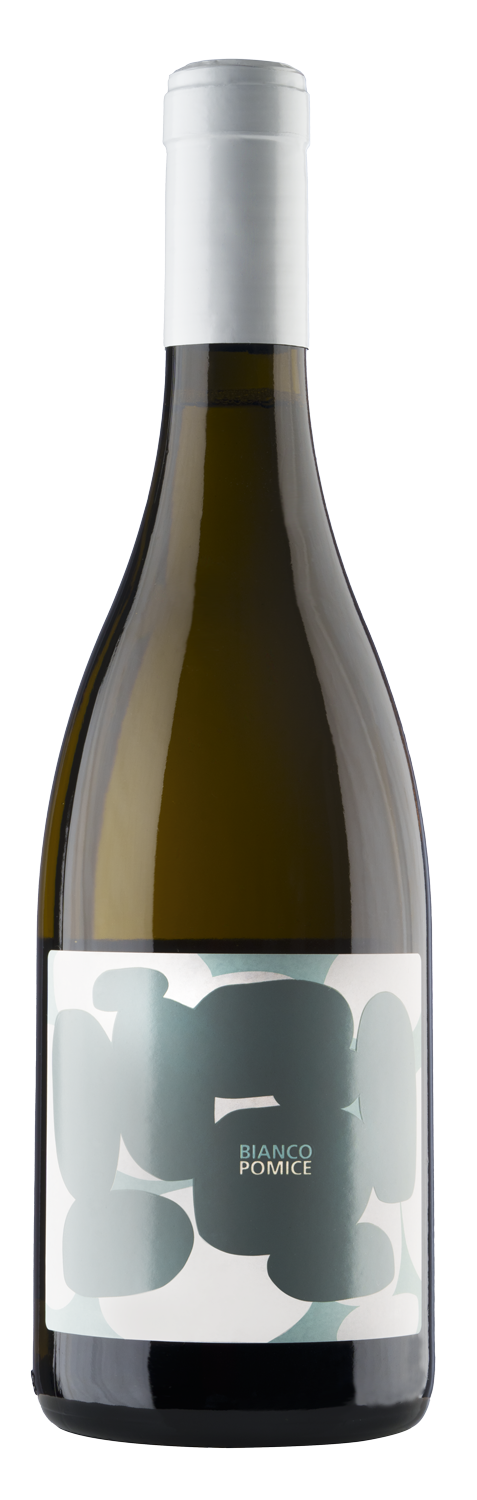
Bianco Pomice
The natural counterpart to Nero Ossidiana, Bianco Pomice has been produced since 2008. It is a blend of Malvasia delle Lipari (60%) and Carricante (40%), uniting the island’s aromatic richness with its distinctive sapidity. Fermented at controlled temperature and aged on the lees for several weeks, it appears bright straw yellow in the glass. The nose offers notes of white fruit, citrus, and Mediterranean herbs, while the palate is fresh, taut, and saline, with vivid acidity and a mineral finish reminiscent of pumice stone. (93 pts).
Beyond Wine
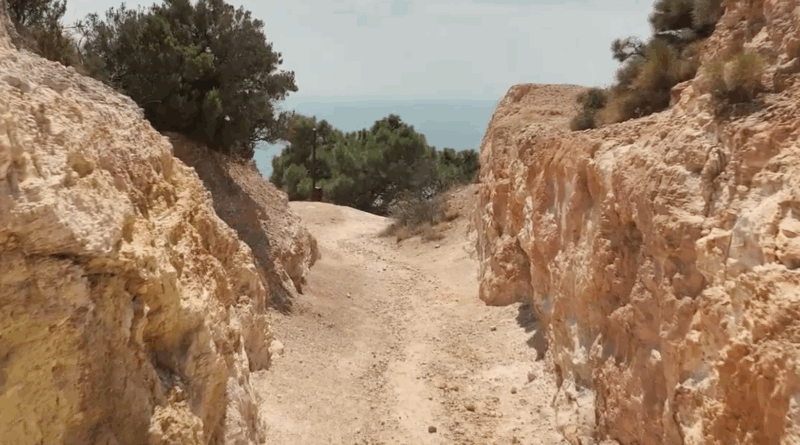
The Lentsch family’s philosophy is firmly rooted in the enhancement of their native landscape, aiming to give back value to the local community. Alongside wine production, the estate has restored the Cave di Caolino, now a Geominery Park open to visitors, and developed an enotourism program featuring a wine resort and panoramic tastings. “Our goal is to combine quality, sustainability, and territorial identity,” says Massimo Lentsch. “Every bottle should tell the story of the island and its energy.”