
Nebbiolo from Canavese, between plain and mountain
written by Erika Mantovan
The grape best known for giving life to the “wine of kings” and Piedmont form an inseparable pairing, yet it is in Canavese—today primarily associated with Erbaluce—that this variety is returning to the spotlight thanks to the work of a new generation of producers gathered in the Associazione Giovani Vignaioli Canavesani.
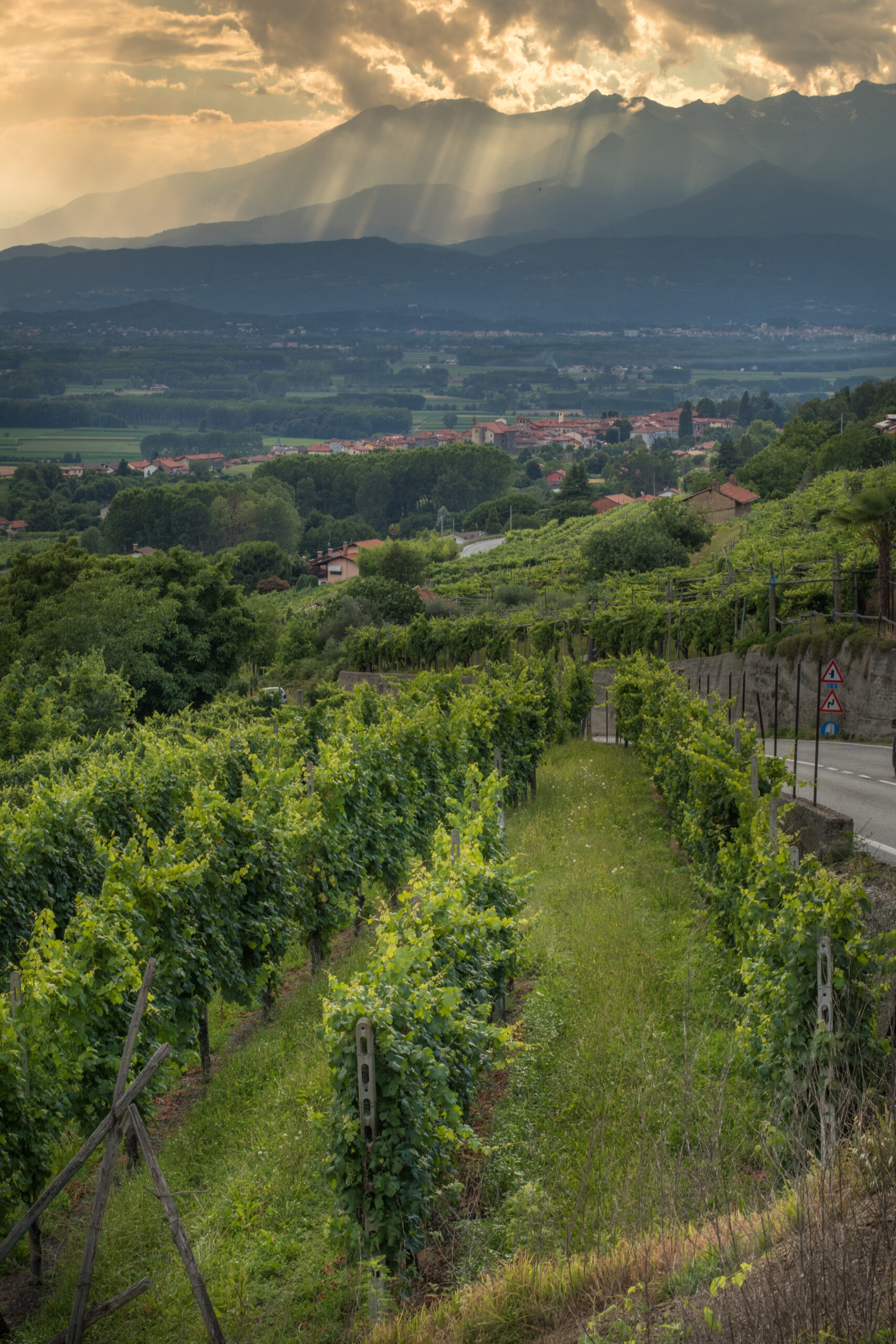
Understanding Canavese (165 ht) first and foremost means reading its landscape. Here the vine grows on an articulated morainic matrix, shaped by the Dora Baltea glacier and composed of sands, silts, clays and pebbles. Sands drain rapidly and tend to produce finer, more agile wines; silts retain water more effectively and offer greater continuity on the palate; clays, when present in balance, help provide depth and structure.
In an area where the pursuit of quality is still fully evolving, production approaches are also very diverse. Not all wineries have an in-house oenologist or stable consultancy, and this inevitably reflects in wine styles, in addition to the pedoclimatic differences among the various subzones.
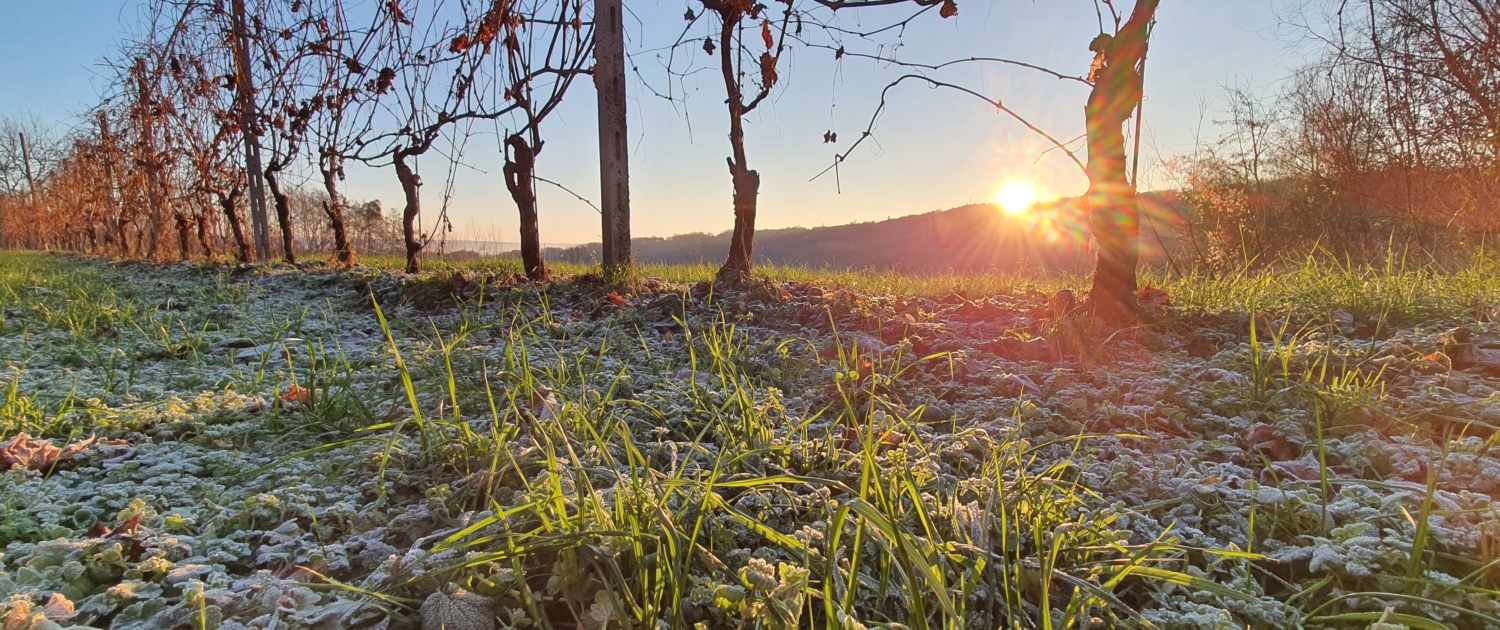
Adding further interest to the picture is the issue of soil pH. Many Canavese soils are sub-acidic or acidic, often close to or below pH 6.5, a condition that affects the availability of mineral elements and therefore vine nutrition. Potassium and calcium, in particular, play a key role.
https://vertdevin.com/wp-admin/post.php?post=296879&action=edit#
Potassium is essential to plant metabolism, but it also influences the wine’s acid balance: in grapes it can bind with tartaric acid, forming salts that precipitate and thus reduce the perception of acidity. Where potassium availability is higher, wines tend to be broader and softer; where it is lower, acidity remains more taut and the palate profile becomes more vertical. This is also one of the elements that can help explain the distinctive character of many Canavese Nebbiolos: agile, dynamic wines marked by clear freshness and a less imposing structure compared to other Piedmontese Nebbiolos.
Calcium, on the other hand, mainly affects the physical structure of the soil, promoting particle aggregation and soil stability. A lower presence may contribute to more fragile, less compact soils. In the wine this does not translate directly or mechanically, but it can play a part in that sensation of finesse and material lightness that often characterizes Canavese reds.
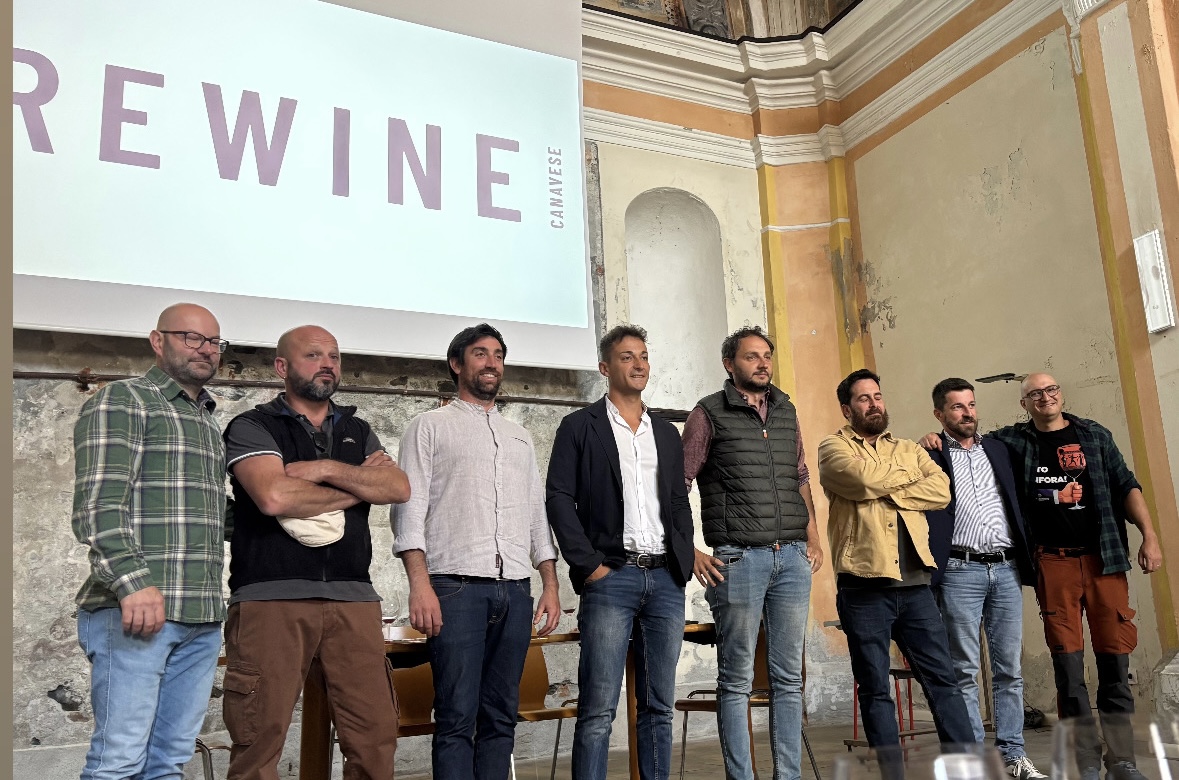
“It’s not only about what is present in the soil, but about what the plant is actually able to absorb. An element may be there, yet not be available. It is misleading to think that wine ‘tastes’ directly of what is in the soil: the vine does not absorb minerals like a sponge, but through complex processes mediated by pH, water, organic matter and microbiological activity.” So explained Vittorio Garda of Sorpasso winery, one of the pioneers of the Canavese Nebbiolo revival in Carema, speaking during the masterclass held in Ivrea on May 9 as a preview of ReWine, the event dedicated to Canavese wines.
From here arises a broader reflection: water availability, vegetative vigor, sugar ripening, acid retention and tannin quality are all factors that help define the balance of the territory’s wines. A balance that in Canavese seems to hinge more on tension than power, on finesse rather than extraction.
Four areas within 100 kilometers
We are in a complex and fragmented wine-growing area, characterized by marked geomorphological and pedoclimatic variability. For a functional reading of the territory, 3 main macro-areas can be identified, to which a fifth transitional Alpine belt is added, clearly distinct in environmental and viticultural terms.
The first area includes the southern sector between Caluso and Villareggia, the latter marking the southern boundary of the appellation regulations. This zone is characterized by predominantly sandy soils with high draining capacity and limited water retention. Wines are generally medium-bodied and immediately expressive, with fine tannic structure and an essential flavor profile. In Caluso, a warmer area, alongside sand there is a progressive increase in the silty component. Ripening is more regular, and wines are generally fuller and more continuous, with greater fruit definition and good overall harmony.
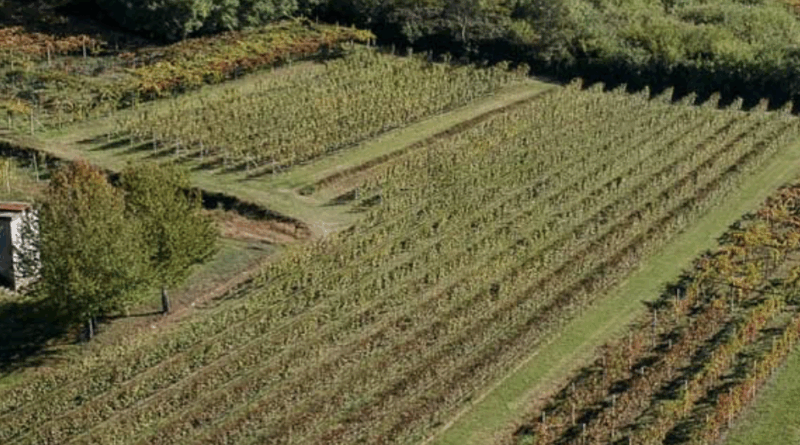
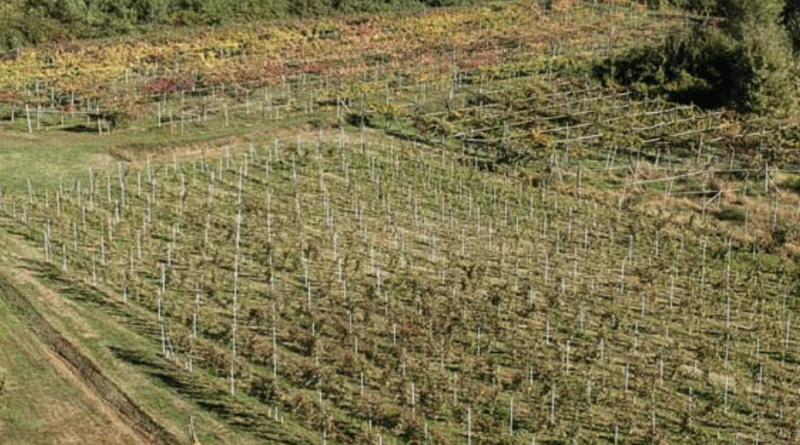
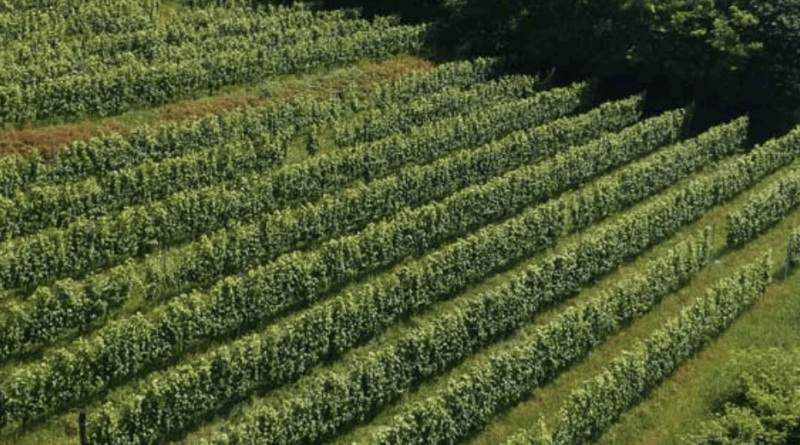
The second zone includes the Serra d’Ivrea and the hilly ridge encompassing the territories of Piverone, Roppolo and Viverone. This is a morainic area with abundant skeletal material and layered soils, alongside a more significant silty component (particularly in Viverone) and a more evident clay presence. These factors, combined with constant ventilation and varied exposures, contribute to the production of more structured, savory wines with good acidic tension.
The third area is the hilly Alto Canavese, including the territories of Castellamonte, Salassa and Levone. The landscape becomes progressively higher and more fragmented, with generally poor soils and marked diurnal temperature variation. Environmental conditions favor the expression of more vertical and austere Nebbiolos, characterized by pronounced acidity, fine tannic texture and strong aging potential.
Finally, the fourth belt is the Alpine border area between Settimo Vittone and Carema. Production here unfolds on heroic terraces in a context of strong Alpine influence. Soils are extremely poor and skeletal, and the climate is cool and windy. In this setting Nebbiolo—locally known as Spanna or Picotener—expresses a profile of great finesse and verticality, with marked acidic tension and excellent aging potential.
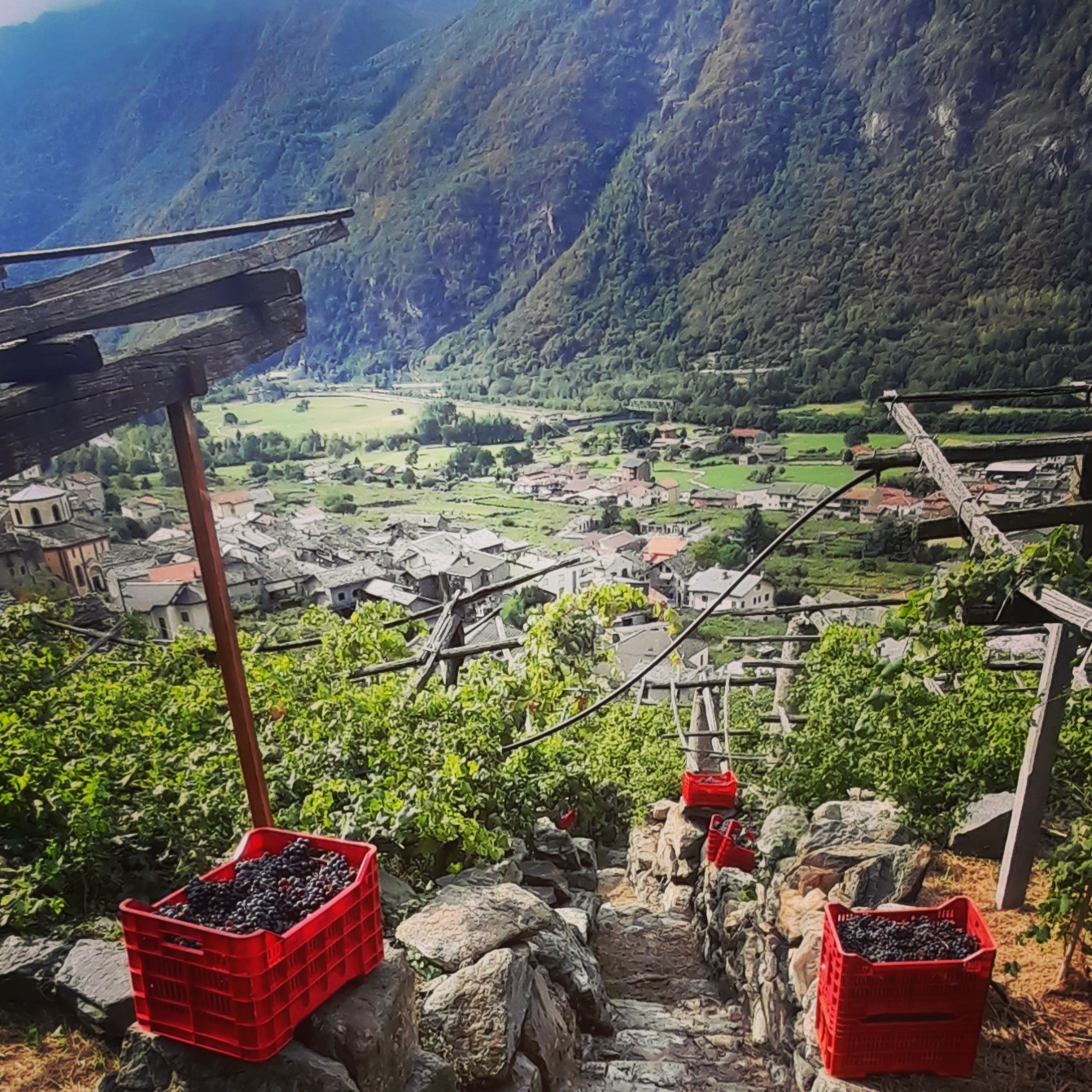
Led by Fabrizio Gallino, a journalist specializing in mountain wines, the masterclass recounted the stories of producers, often at their first or second harvest, with plots located between Valperga, Borgofranco, Albiano and Belmonte. Some are experimenting with spontaneous fermentations, long macerations and aging in cement or large-format wood.
Tasting
Sabbionere – Vino Rosso “Claudio” 2024
Area: Valperga and Sacro Monte di Belmonte (Upper–Upper Canavese, outside the Erbaluce and Canavese DOCs)
Vinification: stainless steel only for 8 months with 15 days of maceration, aged in steel for 8 months
Light red color. The nose focuses on sweet red fruit, especially cherry, with balsamic hints and faint iodine notes. The profile remains simple but precise, with good aromatic definition. On the palate it is juicy, of medium intensity, immediate and easy-drinking. Tannins are very delicate, barely sketched, with a pleasant and clean finish. Still young, the wine expresses itself through great drinkability. (93)
San Martin – Canavese DOC Nebbiolo 2023
Area: Moncrivello – Torre Daniele
Varieties: Nebbiolo from 50–70-year-old vines
Vinification: 20-day maceration, aged in used tonneaux for 12 months
Light ruby with slightly garnet rim, bright. Subtle nose with sour cherry, faint aldehydic notes and initial alcoholic hints. Rose emerges alongside a slightly ferrous, rocky component that clearly evokes the territory. Fine, slender yet well-built palate. Tannins are slightly rough but fine-grained and tight. Good salinity, mineral sensation and a return of rose on the finish. The sip is supported by a solid tannic framework and respectable persistence. (94)
Pizzino Monte – Francesco | Canavese DOC Nebbiolo 2023
Grape origin: Viverone (Carema–Viverone)
Production: 220 bottles
Vinification: open tonneau, traditional crushing, 110-day maceration
Very light color tending toward sanguine. Aromatic profile of citrus, cherry and light aldehydic notes. Juicy and textured on the palate, with a perceived fruit sweetness that is well integrated. The mid-palate is full and enveloping, while the finish introduces a chalky, drying sensation, with fine tannins that gradually become more assertive. (92)
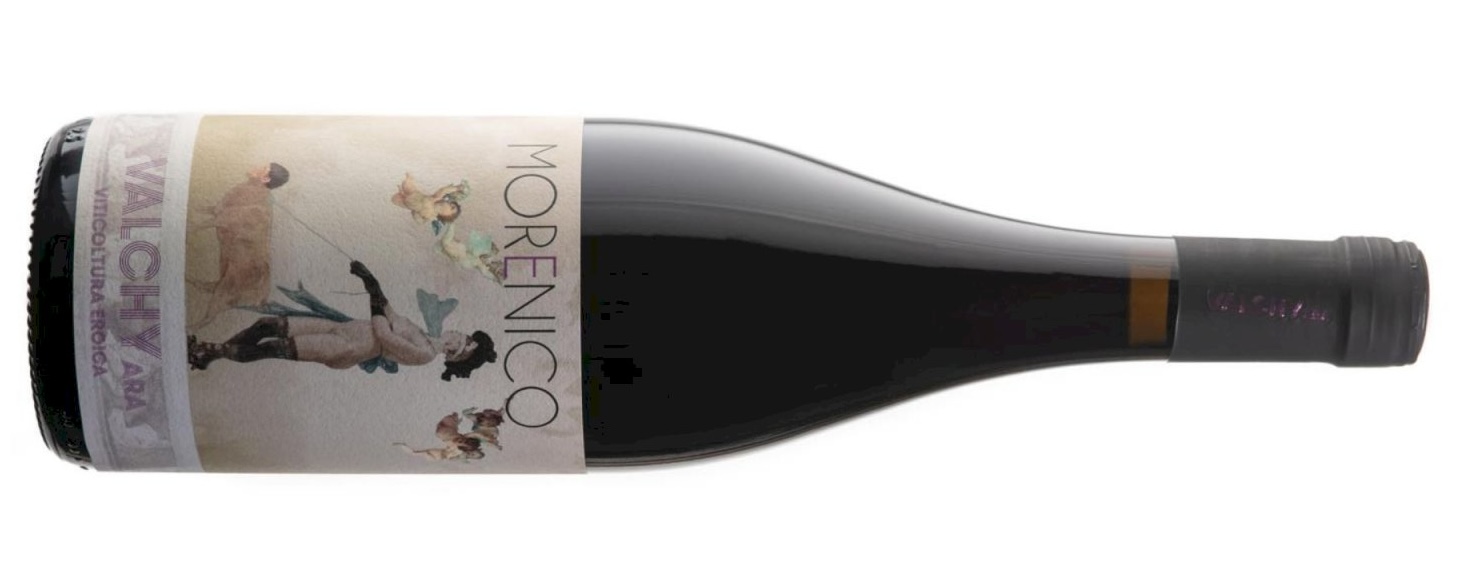
Valchyara – Vino Rosso 2023
Area: Valchiusella
Vinification: cement plus 5 hl tonneaux for 24 months
Vineyards: 19 terraces, Upper Piedmont genotypes
Aromatic profile that is volatile yet expressive, centered on cherry, rose and citrus. Full, juicy palate with linear, flowing development. Tannic structure is restrained, leaning more toward drinkability than structural build. The wine closes in a relaxed and clean manner, without excessive tannin extraction. (93)
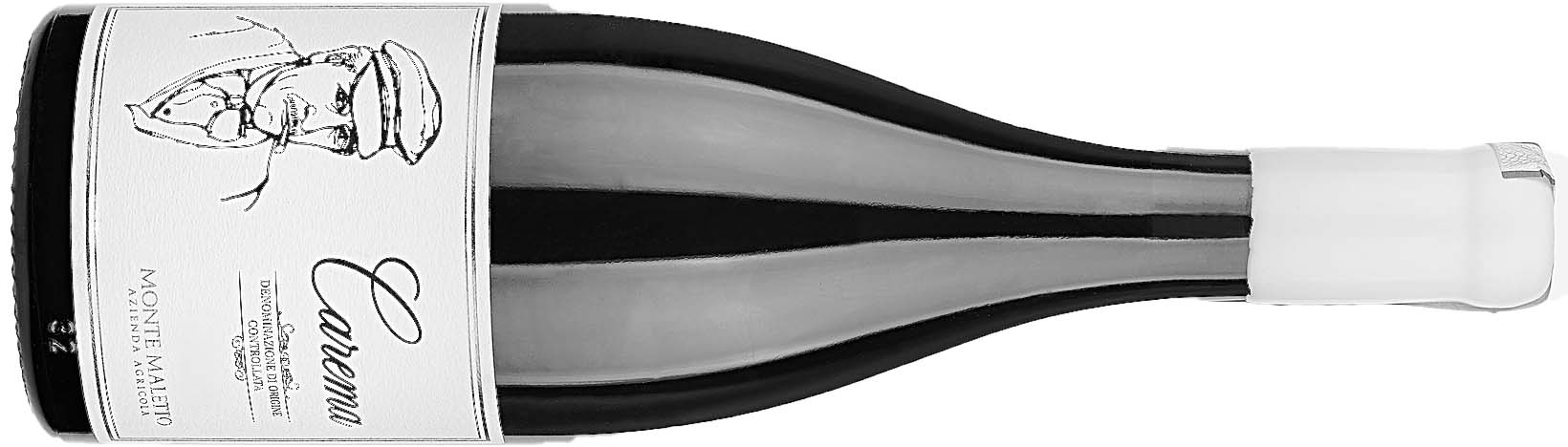
Montemaletto – Carema 2023
Area: Carema
Vinification: 40-day maceration, aged in used barriques for 22 months
Transparent ruby with garnet rim; intense nose of ripe red fruits, with light spice notes, pepper and hints of wood. Slightly rustic at first. On the palate the tannins are dense, firm and incisive, with good material presence though not fully expanded structure. The wine gradually opens on the finish, where salinity emerges along with a return of cherry. (94+)
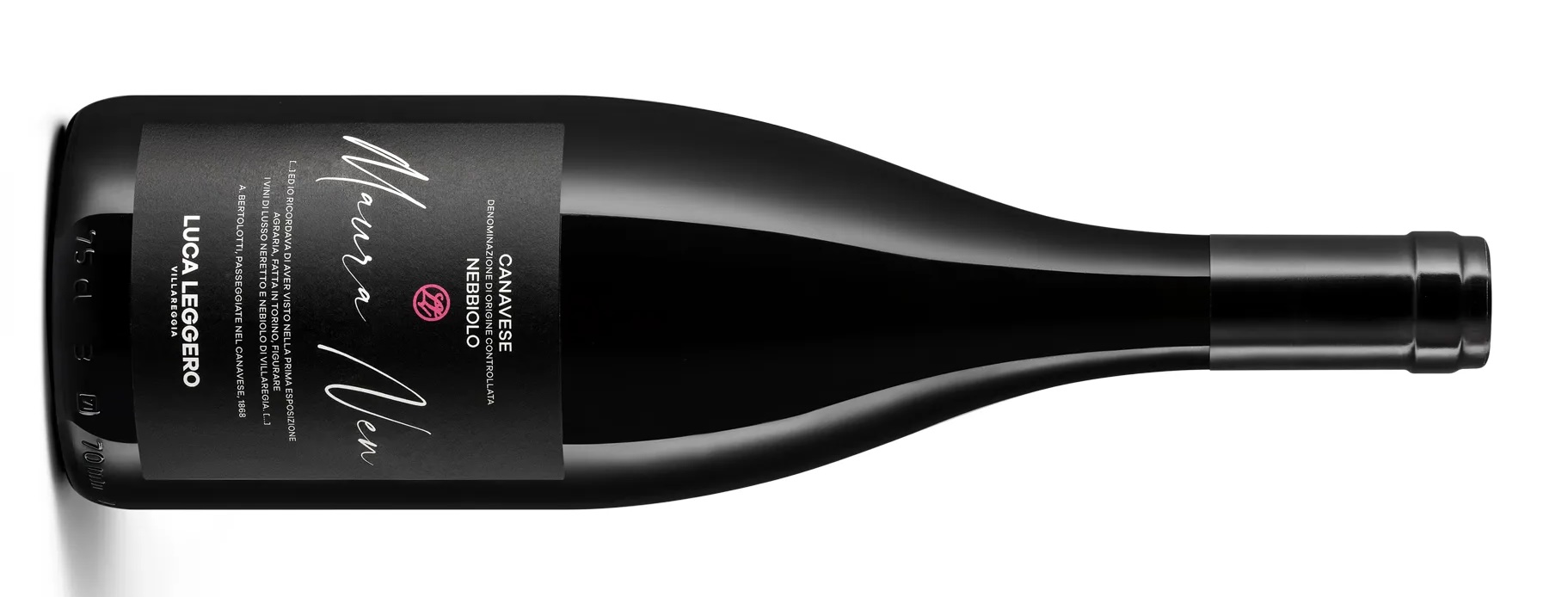
Luca Leggero – Canavese DOC Nebbiolo 2021
Area: Canavese, Villareggia
Vinification: 22 days of maceration, aged in large cask and amphora
Transparent ruby with garnet rim; deep, balsamic nose with strawberry, dried rose, pepper and mentholated nuances. Complex yet highly harmonious aromatic profile. Juicy palate with good substance and clear acidic tension. Chalky tannins, slightly astringent but well integrated into the structure. Excellent flow and dynamism. (93+)
Kalmass – Canavese DOC Nebbiolo “Broglina” 2021
Area: Serra d’Ivrea (Palazzo Canavese – Bollengo); “Broglina” is the historical name of the Serra hill
Vinification: 50-day maceration, aged in barriques used for 15 years
Deep ruby with garnet rim. Rich nose of wood, citrus and ripe fruit, with an overall full and layered impression. Dense, fleshy palate with significant structure and noticeable alcohol. Finish on citrus with slightly warming returns. (92)
NT Wines – “Turris” Vino Rosso 2021
Area: Loranzè Alto
Vinification: 40 days, aged in tonneaux for 10 months
Fragrant, very clean nose of rose, cherry and peach. Harmonious aromatic profile with underlying freshness and light mentholated balsamic notes on the finish. Flowing, elegant palate with well-integrated acidity. A wine of great expressive precision. (94+)
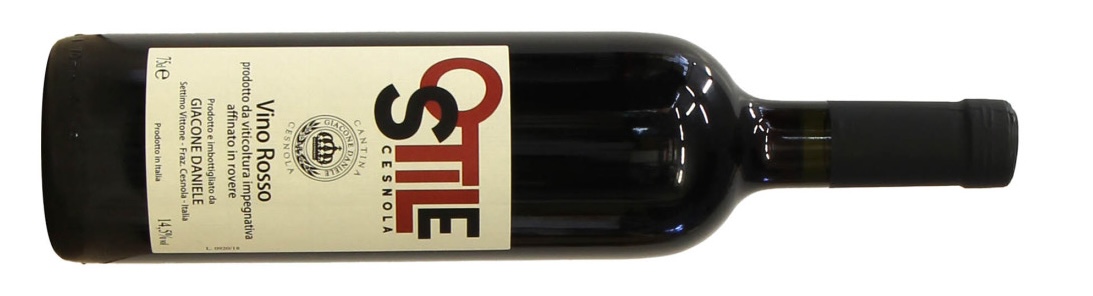
Giacone – “Ostile” Carema 2021
Area: Carema
Viticulture: pergola training, historic vineyards (family heritage)
Vinification: 55-day maceration, aged in tonneaux for 15 months
Transparent ruby with garnet rim. Nose of dog rose, marasca cherry, spices and slight austerity. Strongly territorial profile. Saline, fresh palate with structure that is present but never excessive. Tannins support the wine well, giving good depth and persistence. A classic sip, fully coherent with the territory. (94)
Chiussuma – Carema 2021
Area: Carema
Vinification: 20-day maceration, aged in old tonneaux
Deep ruby with garnet rim. Nose of dried flowers, medicinal herbs, menthol and cherry. Airy, refined palate, very fresh and flowing. Elegant, clean profile centered on fruit. Tannins initially broad, then evolving on the finish as the wine expands. (94+)
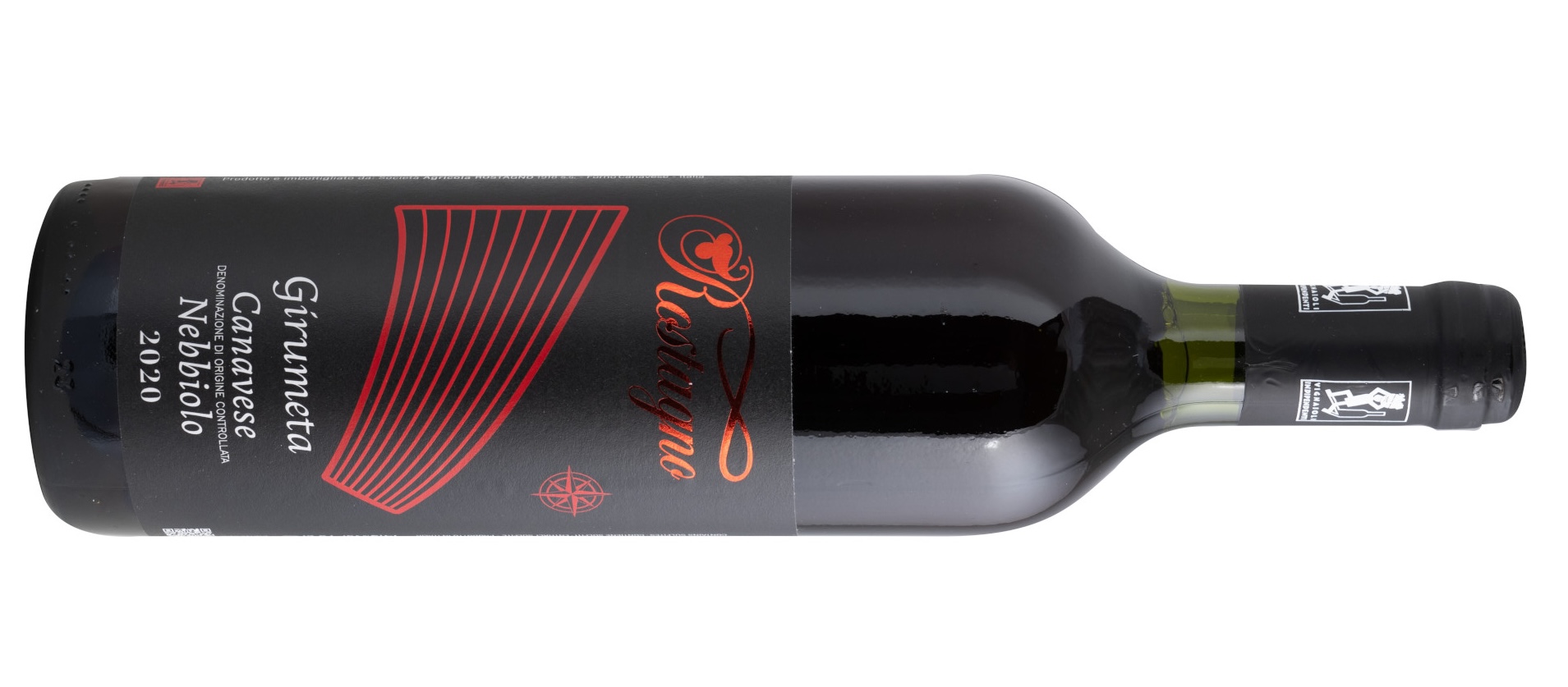
Rostagno – Canavese DOC Nebbiolo “Girumeta” 2020
Area: Forno Canavese
Vinification: short maceration (7 days), aged in tonneaux (20% new wood) for 36 months
Nose of citrus, smoky notes and slightly burnt sensations. Profile still marked by wood. More defined palate, though the oaky component is not yet fully integrated. Drying tannins with ferrous returns on the finish. Austere structure still settling. (92)
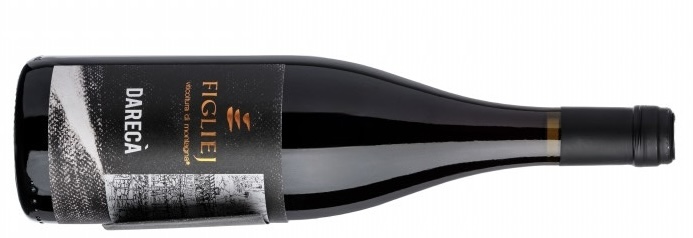
Figliej – Canavese DOC Nebbiolo “Darecà” 2019
Area: Darecà (Settimo Vittone – south-facing)
Viticulture: organic, historic vineyards up to 100 years old
Vinification: spontaneous fermentation, indigenous yeasts, large casks, 60-day maceration
Deep ruby with garnet rim. Nose of peach, cherry, rose and ripe red fruits. Taut, energetic palate with broad, vibrant tannins still integrating. Great structure and persistence, oriented more toward depth than volume. A wine still young in its evolution, but already strongly identity-driven. (95)