
Bourgogne 2026: historically early harvest, highly promising musts
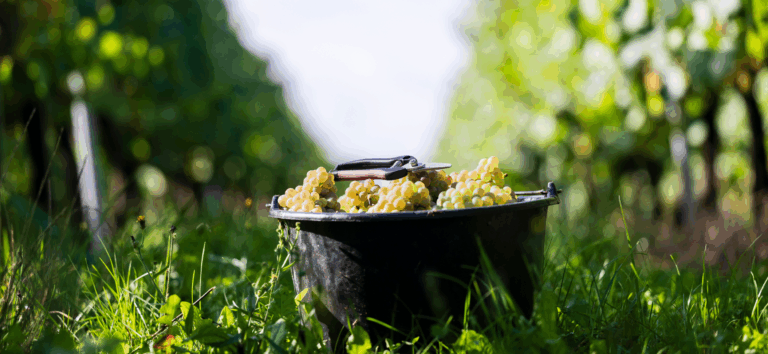
Never before has Bourgogne harvested so early. Following a growing season marked by heat, drought and several heatwaves, the first grapes were picked as early as 8 August for Crémant de Bourgogne. While volumes are expected to be down, the first musts point towards a particularly promising 2026 vintage, combining richness, balance, aromatic purity and deep colour.
The 2026 growing season will certainly remain in the memories of Bourgogne winegrowers. On 8 August, the Mâconnais began harvesting the first grapes destined for Crémant de Bourgogne. Within a few days, picking had spread across the rest of the region, while the harvest for still wines began in earnest just after 15 August. Many estates had therefore completed their harvest before the end of the month. This historically early harvest was the consequence of a particularly hot and dry year, during which the vines experienced several heatwaves and around sixty days with temperatures above 30°C. Water reserves accumulated over the winter, thanks in particular to significant rainfall in February, nevertheless allowed the vines to withstand the summer conditions relatively well.
A growing season at an exceptional pace
The vegetative cycle was already ahead of schedule by mid-March. Mid-budbreak was reached on average by 28 March, before several episodes of frost temporarily slowed development and caused localised damage. From Easter onwards, rising temperatures once again accelerated growth considerably. By the end of April, the vines were almost twenty days ahead of the average for the previous two decades. Flowering followed the same rapid pace: the first flowers appeared on 22 May, with mid-flowering reached across the vineyard by 27 May. Such rapid development was not without consequences, however. Significant coulure was observed, particularly among white grape varieties, in some cases resulting in substantial yield losses.
June brought another acceleration. From 17 June onwards, temperatures frequently reached 35°C, with local peaks approaching 39°C in the shade. After four months of rainfall deficit, averaging 44%, signs of sunburn and water stress appeared in certain vineyards, particularly on shallow soils, young vines and the most exposed sites. Older vines, meanwhile, proved more resilient. In a particularly striking indication of the vintage’s precocity, the first berries began to change colour as early as the end of June. Persistent heat and drought subsequently slowed development in some plots, before a number of localised storms allowed the berries to swell again.
Healthy grapes, but lower volumes…
The drought did bring at least one favourable consequence: disease pressure remained particularly low. As the harvest approached, the sanitary condition of the vineyards was therefore remarkably good. However, this extreme growing season will inevitably leave its mark on yields. Coulure, drought, water stress and limited berry growth are expected to result in a smaller crop. A clearer picture of actual yields will only emerge once the interprofessional harvest estimate is published in mid-November.
Faced with the sudden acceleration in ripening at the beginning of August, some estates opted to harvest at night in order to preserve the freshness and qualitative potential of the grapes. Towards the end of the month, falling temperatures accompanied by some rainfall allowed the later-ripening sectors to wait longer. As a result, despite its historically early start, the 2026 harvest ultimately extended over a relatively long period, with the final grapes reaching the wineries shortly before mid-September.
2026: a vintage to watch closely
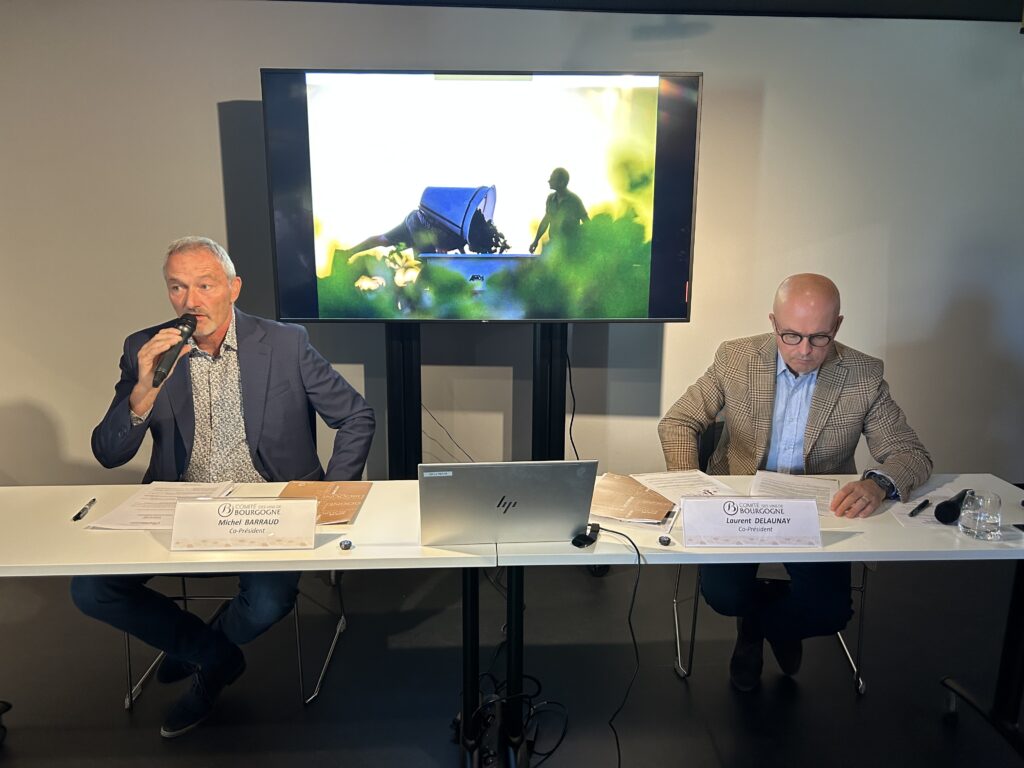
While it remains far too early to draw a definitive portrait of the vintage, the first impressions in the cellar are encouraging. The Comité des Vins de Bourgogne reports rich yet balanced musts, with great purity, particularly intense aromatics and deep colours.
After a growing season during which winegrowers were required to adapt almost continuously, from the threat of spring frost to heatwaves and water shortages, the vintage is now in the hands of the winemakers.
Limited in quantity but particularly promising in the cellar, 2026 could prove to be one of those Bourgogne vintages in which challenging climatic conditions demanded considerable precision, both in the vineyard and at harvest. The coming months of élevage will gradually reveal its contours and, above all, show how this richness and aromatic intensity will be expressed across the different terroirs of Bourgogne.