

Granaccia & Ligurian Reds
Quiliano enhances its red wines
In a region like Liguria, historically linked to white wines, red wine production has also been promoted for decades, led by the Granaccia & Rossi di Liguria event, now in its 20th edition, held in Quiliano. Light, fresh, and aromatic, these wines interpret Granaccia with a contemporary approach, highlighting territorial identity and versatility, while responding to market demands.
Almost seventy wineries participated in the event, with around two hundred operators and enthusiasts attending the in-depth sessions. The roundtable “The Great Family of Grenache in Italy” and the masterclass “Identity, Contemporaneity, and Versatility of Ligurian Reds”, curated by Saverio Russo and Jacopo Fanciulli, marked an absolute novelty: for the first time, the national discussion focused on the grape itself, its genetics, and its territorial expressions, opening a dialogue with Sardinia, Maremma in Tuscany, Umbria, Veneto, and Liguria.
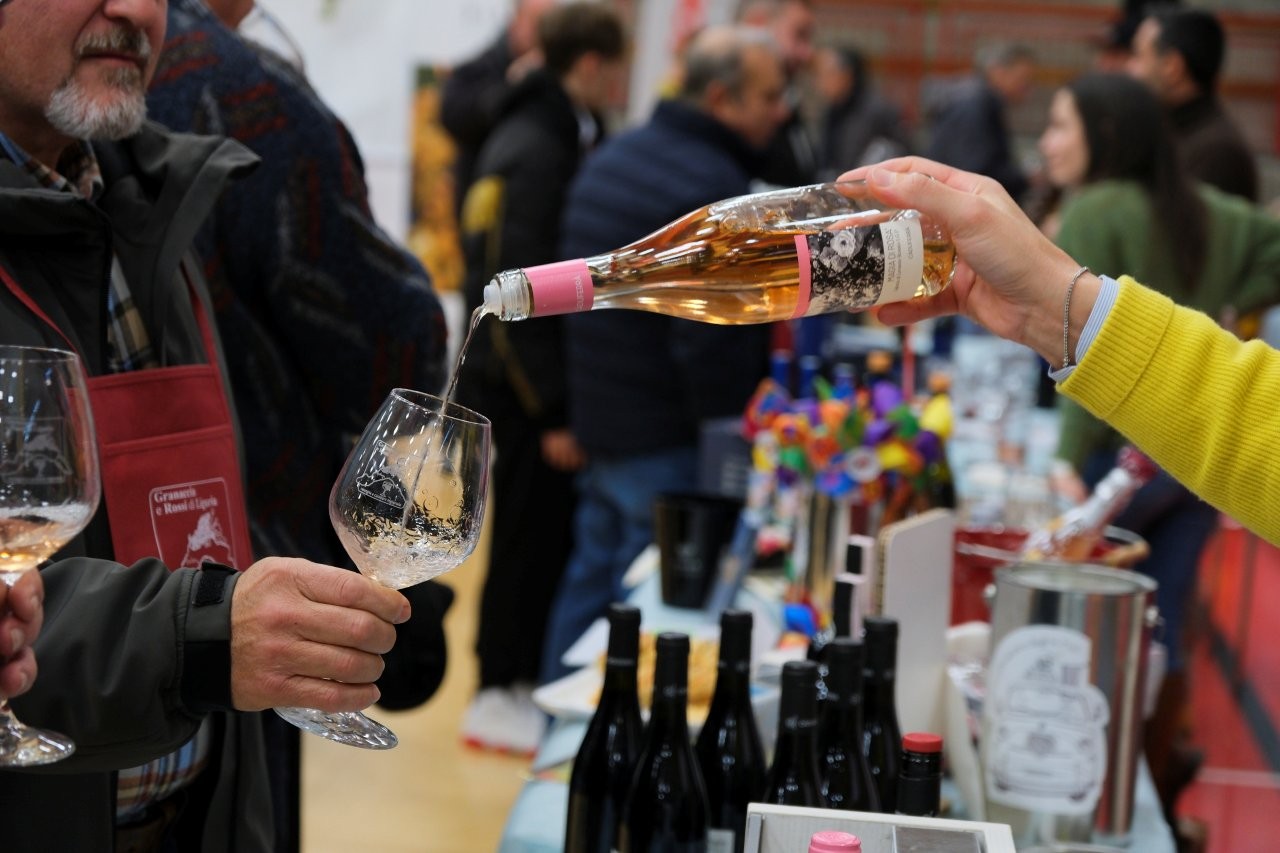
Granaccia reads different terroirs
Prof. Vincenzo Gerbi, one of Italy’s leading oenologists and educators, analyzed Ligurian Granaccia, showing how modern winemaking aims to enhance the grape’s genetic and territorial differences, with particular attention to the ripeness of seeds—a key factor for color, tannins, and aromatic complexity. “Today’s challenge is to produce expressive and territorial wines without exceeding in alcohol,” Gerbi explained, emphasizing the importance of managing fermentation and oxygenation, especially in the context of increasingly pronounced climate changes.
Thanks to careful techniques and respect for the raw material, Ligurian wines stand out for their freshness, balanced acidity, and delicate aromas, distinguishing themselves from other Italian Grenache.
Climate and Soils of the Ligurian Riviera
The success of Ligurian reds is closely linked to the pedoclimatic conditions of the Riviera Ligure di Ponente. The Mediterranean climate, moderated by the Ligurian Sea, ensures mild winters and warm, breezy summers, limiting fungal diseases. Alluvial soils, rich in sand, clay, limestone, and marl, drain well and promote the concentration of aromas and phenolic compounds in the grapes. The result is mineral, fresh, and territorial wines, capable of expressing the connection between land and sea.
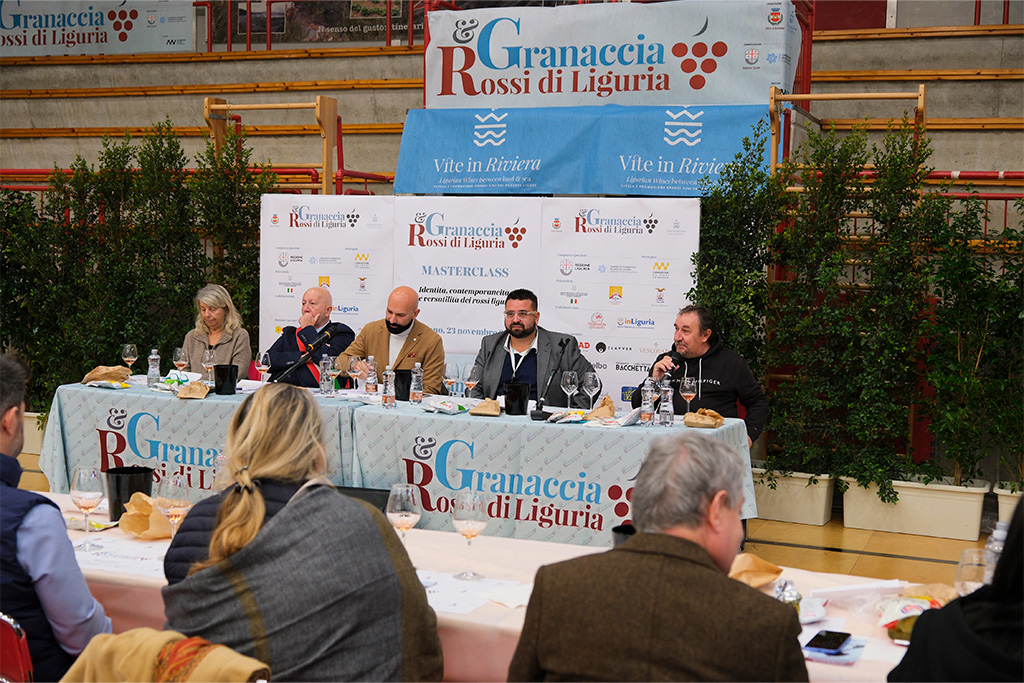
National comparison and future perspectives
The event brought together Italian Grenache wines: Sardinia (Mandrolisai DOC, Cannonau, Bovale, and Monica), Maremma Tuscany (Alicante), Umbria (Gamay), Veneto (Tai Rosso). For Liguria, it was an opportunity to demonstrate how local reds can dialogue with other regions, highlighting distinctive traits such as elegance, agility, and minerality.
Ligurian producers showcased the territory through distinct yet complementary wines: from fresh, immediate rosés to more structured reds, always agile and territorial. Each glass reflects soil mineralogy, balanced ripeness, and technical care, offering an authentic identity that speaks directly to the consumer.
Producers share their wines
Producers presented their projects, from the “sea reds” to interpretations of rosés, with a strong focus on territoriality. As one Cinque Terre producer explained: “Granaccia has allowed us to tell the story of our land with fresh, aromatic, and easy-to-drink wines. Rosé thus becomes the gateway to local reds, with continuity between the two styles.”
The importance of rosé in the small DOC of Pornassio was also emphasized: “It is the only DOC rosé in the region. Even in a territory of light and fresh reds, it successfully expresses the land and the minerality of the soils.”

Our favorite wines from the 20th Edition
Alicante Poiesis “La Torre di Albana” 2024 – Onion-skin hue; aromas of cherry and spices. Engaging, dynamic, and racy palate with intense, drying tannins. Fruity and lively finish. 93
Ormaesco Sciac-tra, Cascina Nirasca 2024 – Medium-intensity onion-skin color; nose with fruit and syrupy peach notes. Soft, pleasant palate with good density and harmony. 92
Rossese Scuvea “Vecchia Cantina” 2024 – Light ruby tending to garnet; aromas of cherry, currant, and red fruits. Elegant, very open, with tannic filigree in the finish. Deep, enveloping aromas. 95
Granaccia “Feipu dei Massaretti” 2024 – Intense ruby; aromas of violet, very rich and juicy. Integrated, lightly toasted tannins; full, harmonious palate.
Ormeasco Superiore “Fontanacota” 2022 – Blend of grapes and separate vinifications; complex and aromatic: red and blue fruits, blackberries, oriental spices, wild strawberries, and forest fruits. Voluminous palate, stratified and integrated tannins, broad body, and long finish. 94-95
Last highlights
The event set record numbers: forty tasting stations, almost seventy wineries, and a young, attentive audience (average age under 40). Credit goes to the Vite in Riviera network, the Municipality of Quiliano, the Liguria Region, and the Chamber of Commerce Riviere di Liguria, with support from local partners and sponsors.
written by Erika Mantovan