
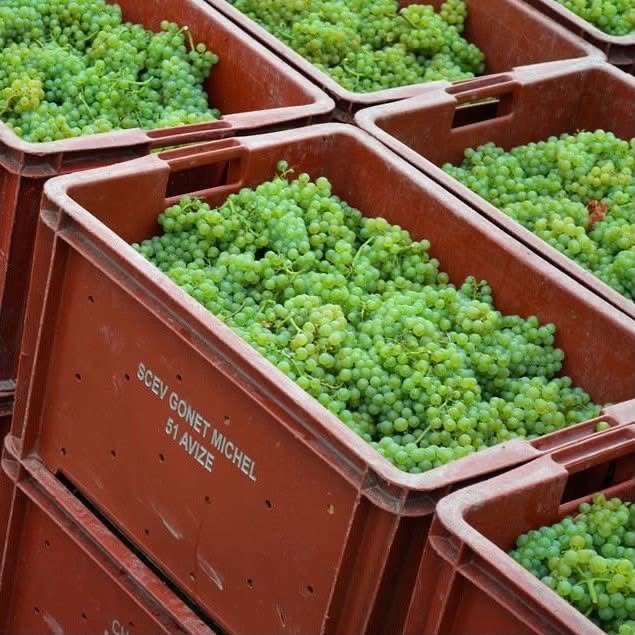
The Harvest: Understanding the decisive moment when a wine is truly born (Part 1)
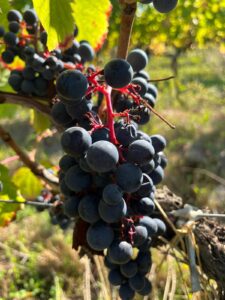
The harvest is certainly the most eagerly awaited—but also the most stressful—time of year for a winemaker. It represents the culmination of an entire year’s work, from winter pruning to monitoring the health of the grapes, including budbreak, flowering, fruit set, veraison, and green pruning. However, contrary to a widely held belief, the harvest is not simply a matter of picking the grapes when they are “ripe.”
Choosing the right harvest date is probably the most important decision of the entire wine-growing season. A few days too early or too late can profoundly alter a wine’s style, balance, aging potential, and even its identity. The ideal time depends on the grape variety, the terroir, weather conditions, the age of the vines, the crop load, the desired wine style, and future winemaking choices. Grapes intended for Champagne will not be harvested at the same stage of ripeness as those for a Sauternes or a great red wine meant to age for several decades.
Today, the grape harvest has become a true precision task in which tasting the grapes, observing the vineyard plots, and conducting laboratory analyses all work together to determine the best possible balance.
When does the grape harvest actually begin?
It is generally considered that the harvest takes place approximately 90 to 100 days after flowering or 40 to 50 days after veraison—that is, the point at which the grapes begin to change color and accumulate their first sugars.
However, this rule is merely a general guideline. In reality, there is no universal date. Depending on the region, grape variety, and vintage, several weeks may elapse between the first and last harvests. Even within the same vineyard, some plots may be harvested ten to fifteen days before others. The harvest depends, in particular, on:
- the grape variety;
- the terroir;
- the elevation;
- the exhibition;
- the rootstock;
- the age of the vines;
- the grape yield;
- the climate of the vintage;
- the desired wine style.
That is why the decision is made almost daily in the weeks leading up to the harvest.
The different types of grape maturity
One of the most common misconceptions is the belief that a grape is simply either ripe or unripe. In reality, several stages of ripeness occur simultaneously, though they do not progress at the same rate. The winemaker’s job is precisely to find the best balance among them. Today, oenologists generally distinguish four main stages of ripeness.
Technological maturity
This is the easiest to measure. It corresponds primarily to:
- the accumulation of sugars;
- the decrease in acidity;
- changes in pH;
- the future alcohol potential.
During ripening, photosynthesis allows the leaves to produce sugars that are gradually transferred to the berries.
At the same time, the main natural acids in the grapes—particularly malic acid—gradually decrease as a result of the grapes’ respiration. The pH slowly rises, while total acidity decreases. This ripening process is closely monitored through laboratory analyses. However, this alone is by no means sufficient to determine the ideal harvest date.
Phenolic maturity
This is probably the most important factor for great red wines. It involves:
- tannins from the skins;
- tannins from the seeds;
- anthocyanins;
- a significant portion of the aromatic compounds.
Unlike sugar levels, this ripeness cannot be assessed solely in the laboratory. It requires regularly tasting the grapes directly in the vineyards. A grape may have perfect alcohol potential but still possess extremely harsh tannins. Conversely, in some vintages, magnificent phenolic ripeness can be achieved even before sugar levels become very high.
Aromatic maturity
Long overlooked, it has now become essential. It corresponds to the development of:
- aromatic precursors;
- varietal thiols;
- terpenes;
- esters;
- many compounds that contribute to a wine’s character.
The vegetal aromas gradually fade. Floral notes emerge. Then come the fresh fruit aromas. Next come the ripe fruit aromas. Finally, if the harvest is very late, aromas of stewed or jam-like fruit sometimes appear. The winemaker’s role is to harvest when the aromatic profile matches the desired wine style.
Physiological maturity
This concept is sometimes confused with technological maturity. However, it refers more to the berry’s overall stage of development. The pulp becomes softer. The seeds change. The skin’s texture changes. The berry gradually loses its firmness. All of its tissues then reach their optimal functioning.
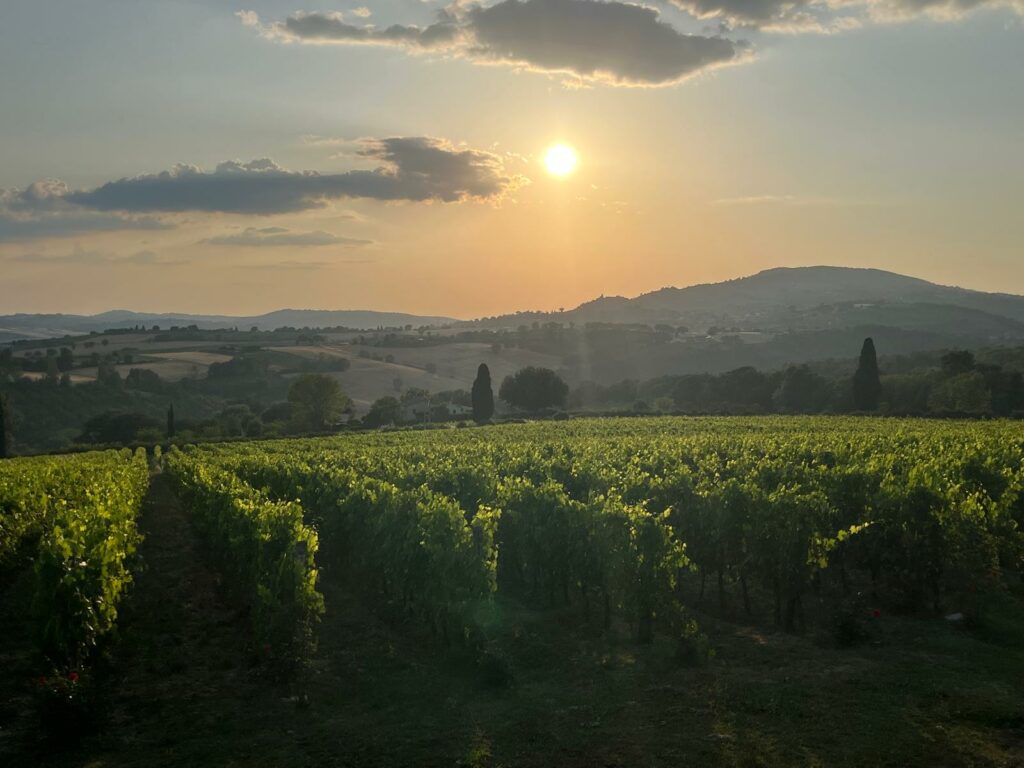
The fundamental role of sugars
The sugars found in grapes are mainly:
- glucose;
- fructose.
During alcoholic fermentation, the yeasts will convert these sugars into alcohol. The more sugar the grapes contain, the higher the potential alcohol content will be. But contrary to what one might think, great wines do not necessarily come from the grapes with the highest sugar content. Balance is always the top priority. A wine with a high alcohol content but low acidity will often seem heavy and tired.
Conversely, a wine that is slightly less rich but better balanced will seem much more elegant. That is why winemakers no longer systematically seek the highest levels of ripeness, as was sometimes the case in certain regions about twenty years ago.
Acidity: the backbone of wine
During ripening, acidity gradually decreases. The two main natural acids are:
- tartaric acid;
- malic acid.
Tartaric acid remains relatively stable. In contrast, malic acid is consumed through the grapes’ respiration, particularly when temperatures are high. A very hot summer can thus cause the grapes’ natural freshness to decline rapidly. This acidity, however, plays a fundamental role. It provides:
- tension;
- freshness;
- balance;
- salivation;
- aging potential.
Without acidity, even a great wine quickly seems heavy.
pH : a key indicator
pH has become one of the most closely monitored parameters before the harvest. It should not be confused with total acidity. Two grapes can have exactly the same acidity but very different pH levels. pH directly influences:
- microbiological stability;
- the effectiveness of SO₂;
- the color of red wines;
- the stability of anthocyanins;
- yeast growth;
- ageing potential.
A high pH increases microbiological risks. It also makes wines more susceptible to oxidation. Conversely, a low pH enhances freshness but can sometimes result in wines that are very sharp. The goal, therefore, is always to strike a balance.
The skins : the true treasure of the grape
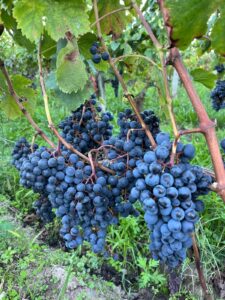
When we talk about the quality of a grape, we often think of the sugar content in the pulp. However, most of a grape’s quality potential lies in its skin. The skin contains:
- anthocyanins;
- a large portion of the tannins;
- aromatic precursors;
- indigenous yeasts;
- many polyphenols;
- the natural waxes that protect the berry.
With red grape varieties, it is the skins that give the future wine its color. The juice is virtually colorless in most varieties. The riper the skins, the more refined and silky the tannins become. Conversely, skins that are not sufficiently ripe often produce:
- vegetal notes;
- herbal flavors;
- rough tannins;
- a drier finish.
Winemakers also observe how easily the skin separates from the pulp. A skin that comes off easily is generally a sign of good ripeness.
Seeds : a great indicator
The seeds often reveal more than the juice itself. At the beginning of the ripening process, they are:
- green;
- very bitter;
- rich in harsh tannins.
Then they gradually change. They become:
- brown;
- crispier;
- less bitter;
- sometimes with a slight nutty flavor.
During berry tastings, winemakers always chew on the seeds. Their texture provides a wealth of information. Seeds that are still green generally indicate that the tannins are not fully ripe. However, waiting for them to reach perfect ripeness can sometimes result in a loss of too much acidity. That is the dilemma of the harvest.
The pulp
The pulp makes up the largest part of the berry. It contains:
- juice;
- sugars;
- acids;
- certain aromatic precursors.
As it ripens, it becomes:
- softer;
- juicier;
- sweeter.
The aromas also evolve. They gradually shift from citrus to white fruits, then to yellow fruits, followed by ripe fruits, and sometimes to cooked fruits when the fruit becomes overripe. The flesh is therefore primarily responsible for the balance between sugar and acidity, while the skins and seeds play a greater role in determining the structure and aging potential.