
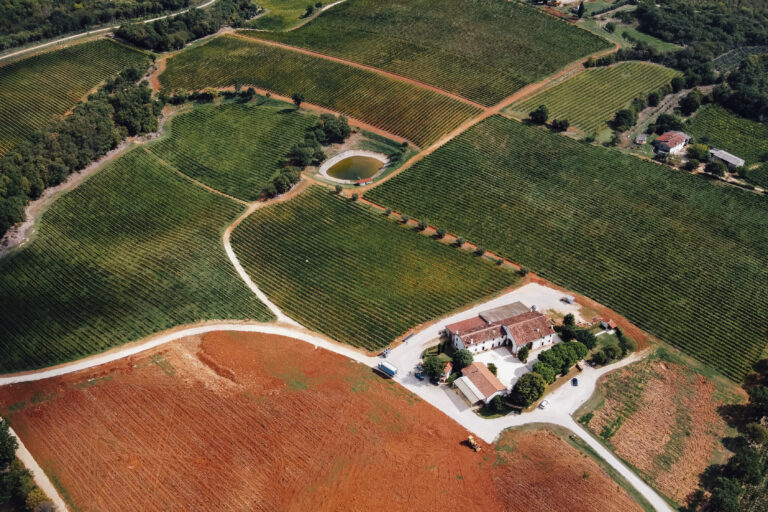
Cavazza: an early 2026 harvest shaped by freshness and precision
At Montebello Vicentino, the estate is adapting picking dates plot by plot to preserve acidity, freshness and aromatic expression in a vintage marked by heat and drought.
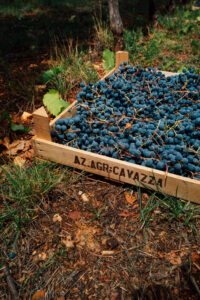
The 2026 harvest is under way at Cavazza, in Montebello Vicentino, with picking significantly earlier than usual following the hot, dry conditions that shaped the growing season. Faced with accelerated ripening, the family estate, now run by the fourth generation, has intensified vineyard monitoring to determine the optimum picking date for each individual plot. The key challenge is to preserve the balance between sugar ripeness, acidity and phenolic maturity. According to Mattia Cavazza, the estate’s oenologist, some plots have therefore been monitored almost daily. Such precision is particularly important in a vintage where high temperatures can rapidly alter the balance of the grapes.
Different responses to drought
Water stress has been one of the defining features of 2026. It has also highlighted significant differences in the way individual terroirs respond to drought. Soil type, exposure, vine age and root depth have all influenced vineyard performance. Soils with a greater capacity to retain water have notably maintained better vegetative continuity, while yields are lower in the driest areas.
The prolonged dry conditions have, however, reduced pressure from the main fungal diseases, particularly downy and powdery mildew. The grapes are consequently in excellent sanitary condition. Rainfall during the second half of August also helped alleviate water stress in the most exposed sites.
Volcanic soils help preserve freshness in Gambellara
In Gambellara, where Cavazza primarily grows Garganega and Durella, the naturally late-ripening character of these varieties,
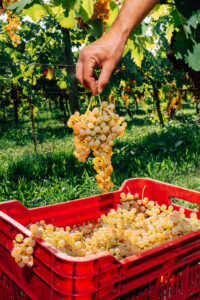
combined with the volcanic soils, has encouraged a more gradual development of the grapes. Initial indications point to healthy fruit and promising quality, with particular emphasis on preserving freshness, acidity and aromatic expression.
Conditions are different in the Colli Berici, at Tenuta Cicogna, where Tai Rosso marked the beginning of the harvest around ten days earlier than average. Individual plots have nevertheless been picked progressively according to their phenolic maturity.
For later-ripening varieties, particularly Cabernet Sauvignon, September’s weather will prove decisive. Sunny days combined with good diurnal temperature variation could encourage gradual ripening while maintaining freshness and aromatic integrity.
Founded in 1928, Cavazza now farms 130 hectares across Gambellara and the Colli Berici, producing approximately 600,000 bottles per year.