
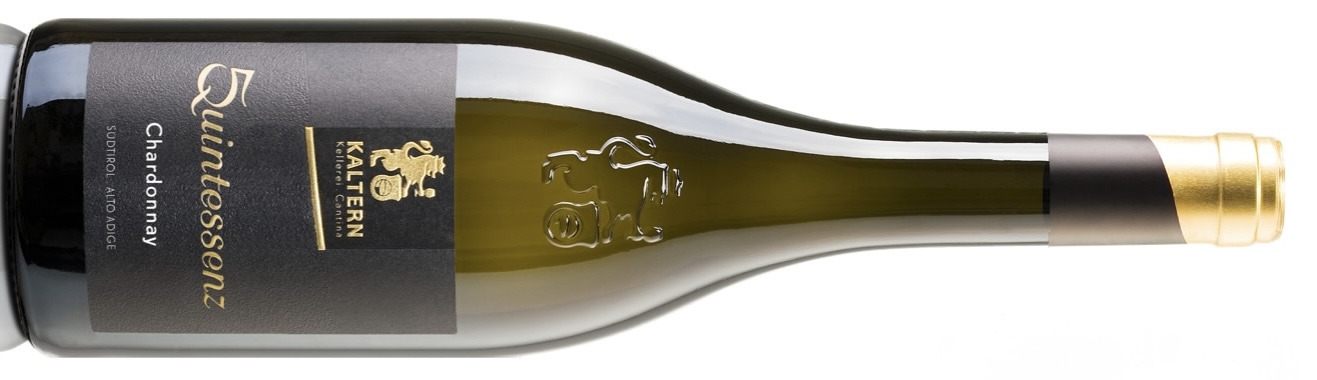
Welcome, Chardonnay Quintessenz 2023
written by Erika Mantovan
Kaltern pays tribute to the world’s most widely planted grape
A sip of character, full of elegance and substance, with a touch of wood still to be integrated, yet destined to become graceful and harmonious on the palate, revealing ripe yellow citrus, flowers, and spicy nuances (94).
This is the profile of the latest Chardonnay from Quintessenz, the premium line created in 2018 by Kaltern, one of Alto Adige’s leading interpreters on the shores of Lake Caldaro. Chardonnay has always been a significant presence in the winery’s extensive vineyard holdings (28 of the total 420 hectares), and it finally finds its rightful place within the line that best represents the region’s key varieties.
Bottling has been decided for the 2023 vintage, marked by a snow-poor winter, a sunny March, and striking day-night temperature swings — in short, ideal conditions for the desired ripeness.
“After several years of study, observation, and many separate vinifications,” says Kellermeister Thomas Scarizuola, “we identified some historic parcels of particular expressiveness, and we are proud to include this white variety in our line of excellence.”
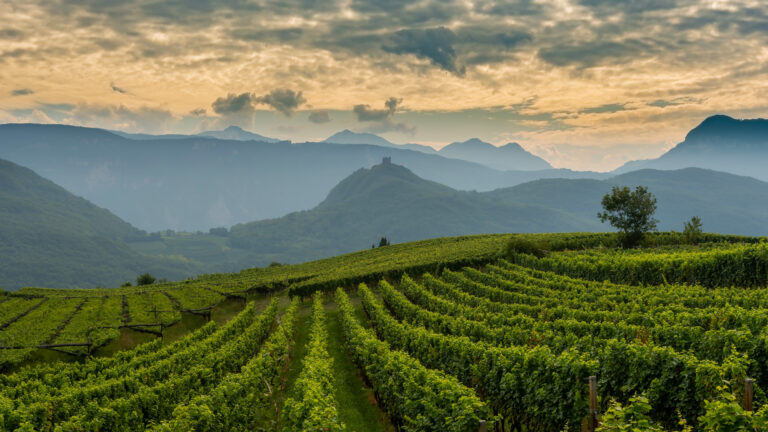
Quintessenz Chardonnay comes from three small vineyards totaling 1.3 hectares: two just above the village of Caldaro at about 550 meters a.s.l., and a third in Mezzan (Caldaro) at 450 meters altitude. Both sites face east and host vines between 20 and 40 years old, trained to Guyot and Pergola, with a yield of 45 hl/ha. In terms of sunlight and ripening, the vines bask in morning light while the Mendola breezes gently brush through in the evenings. Produced in just 4,300 bottles and aged for 12 months in barriques (40% new) with bâtonnage, it is born from vineyards with complementary characteristics that complete one another: “On one side we work on a steep, east-facing slope with glacial deposits of gravel and sand enriched with dolomite.
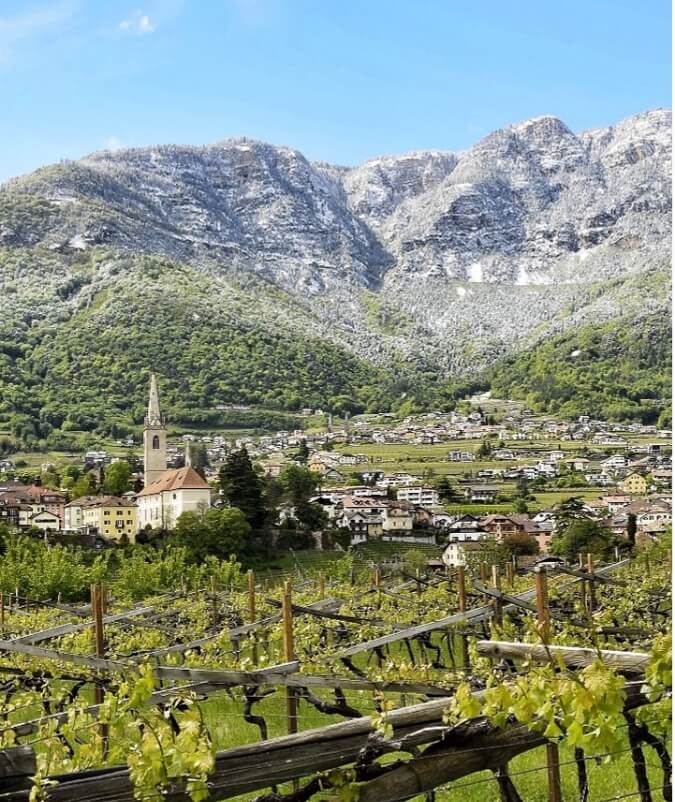
On the other, an east-facing hillside with deep soils composed of limestone rock debris, rich in calcium carbonate, highly draining and naturally balanced in water supply. The combination gives back the complexity and finesse we were searching for,” explains Scarizuola.
Experimentation and human observation remain key ingredients in a world increasingly driven by technology — at least in wine, they are still fundamental to evolve and to offer new interpretations of soils and their grapes.