
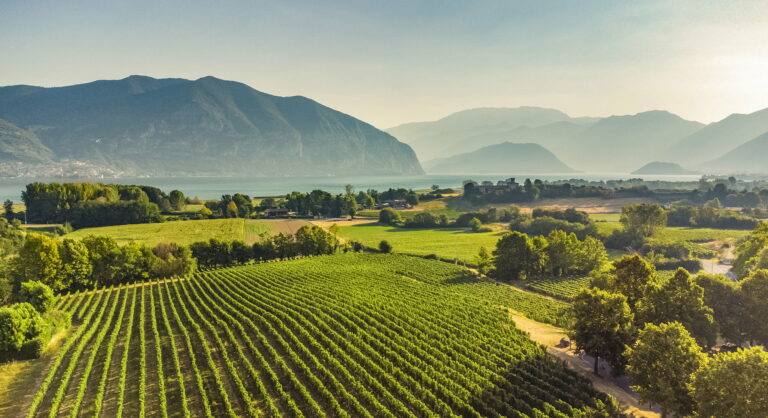
Muratori: a promising future for Franciacorta, built on vision and quality
written by Erika Mantovan
From dream to legacy: how Muratori’s new chapter blends heritage, vision, and the taste of future Franciacorta
When speaking of Muratori and Franciacorta, we’re looking at one of the producers that, in recent years, has managed to build an image that — beyond the wines themselves — looks ahead to the future. A solid foundation, a full awareness of its potential and strengths, and one essential pillar tie it all together: family.
It’s now the third generation paying tribute to an intuition, born from a dream, that began back in 1999 in Adro (Brescia). Grounded in its history yet open to change, Muratori is quietly moving forward. The new generation is translating family intuition into contemporary choices — attentive viticulture, thoughtful use of land, and a clear sense of responsibility toward the environment. The dialogue between experience and experimentation defines their path, suggesting that the future of Franciacorta can grow through continuity rather than rupture.
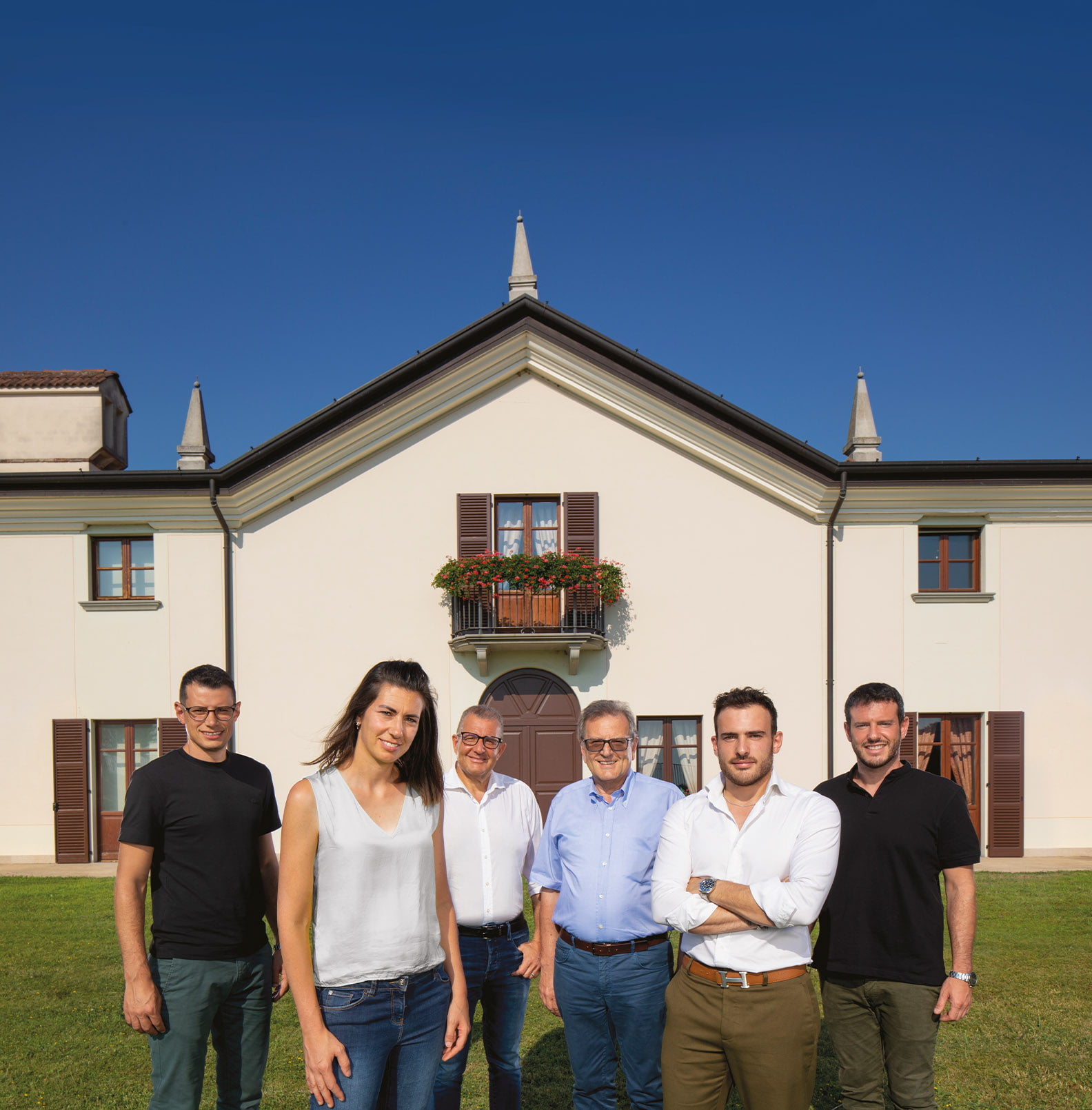
Alberto, Michela, Matteo, and Marco, after two decades under the Villa Crespia label, chose in 2023 to return to their family name — reaffirming their deep bond with the territory and with the metodo classico. Their 54 hectares of organically farmed vineyards embrace all six pedoclimatic units of the appellation: fine deposits, fluvio-glacial soils, distal colluvium, deep morainic, terraced colluvium, and thin morainic formations. A mosaic of parcels ranging from 120 to 350 meters a.s.l., some facing north towards Lake Iseo, where the cool exposure helps maintain the thermal balance of the grapes. Within this single grand estate, Chardonnay takes the leading role, present in virtually every cuvée (notably the Brut, Satèn, and Numero Zero) and covering around 70–75% of the vineyards. Pinot noir (20–25%) adds structure and complexity but is used with restraint, so as not to alter the house’s refined stylistic signature. It shines in labels like Cisiolo (Blanc de Noirs, Dosaggio Zero) and Rosé.
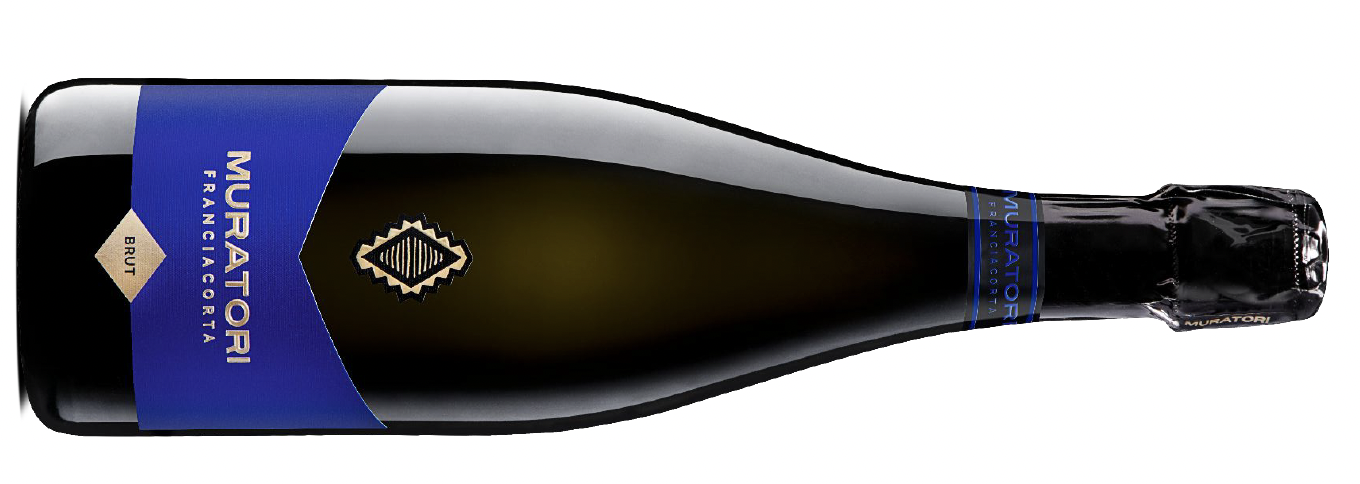
Completing the range is a touch of Pinot Blanc (about 3%), found in select plots to lend volume and fragrance to the blends — especially in the Franciacorta Brut, the estate’s flagship wine, produced in 200,000 bottles with only 4 g/L residual sugar. The nose recalls ripe citron, preceding a harmonious dance of citrus and white flowers, underscored by a salty, iodized edge. It’s energetic, well-poised, and could easily aspire to even greater verve. (93)
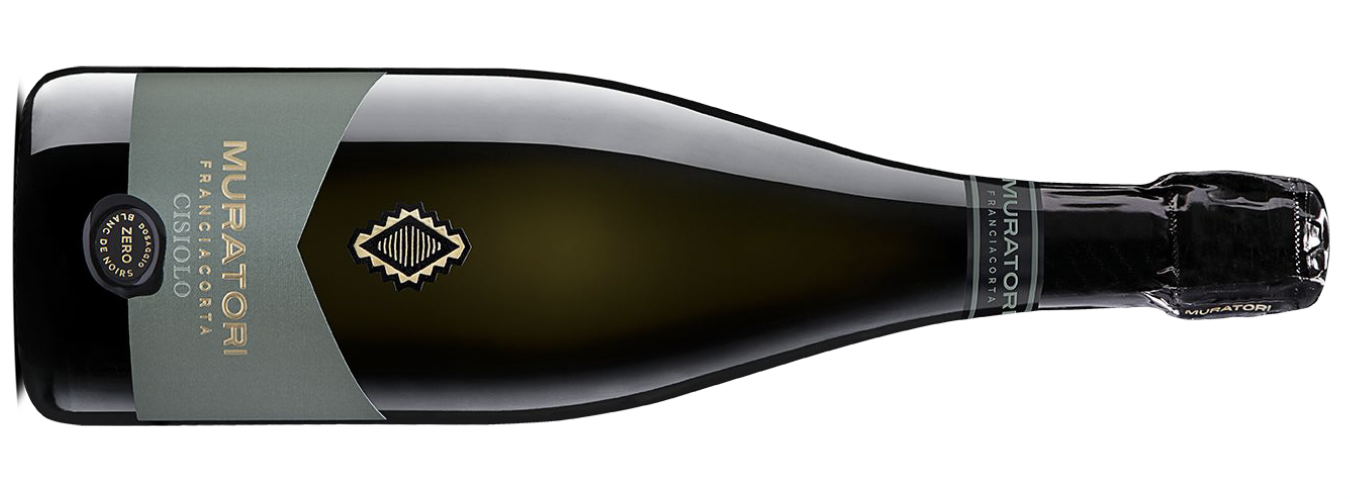
Then comes the Satèn, bottled at a precise 5 bar of pressure: a Chardonnay marked by soft vanilla and Mediterranean notes, brushed with oriental spice in a sip defined by poise and elegance. (94). But for those seeking tension and impact, the Franciacorta Cisiolo Blanc de Noir Brut Nature, a 100% Pinot Noir from a single vineyard, delivers defined citrus, fine-grained “pixel” tannins, and taut vibrancy. Its verticality stems from the 30% clay present in the high-slope soils beneath Monte di Adro, in the historic Fornace area — rich in ancient kilns dating back to Roman times. A small 5% oak influencelends just enough structure to make it captivating on its own, without the need for gastronomic embellishments. (94/95)
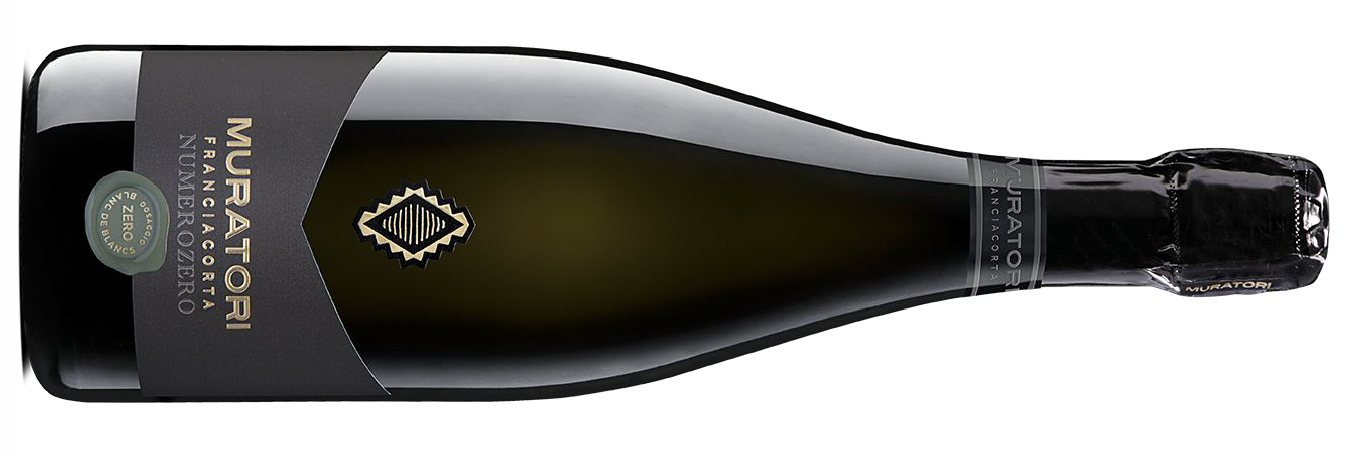
Among the most compelling of the Muratori range stands the Franciacorta Numero Zero, a pure Chardonnay distinguished by balsamic freshness, floral and citrus nuances, and a body both sharp and saline. A wine of remarkable longevity, defined by its iodine and chalky grip, full of focus and depth. (95/96)