
Chianti Classico: freshness, drinkability, elegance
Across the UGAs a clear stylistic identity emerges, while Gran Selezione rewards patience
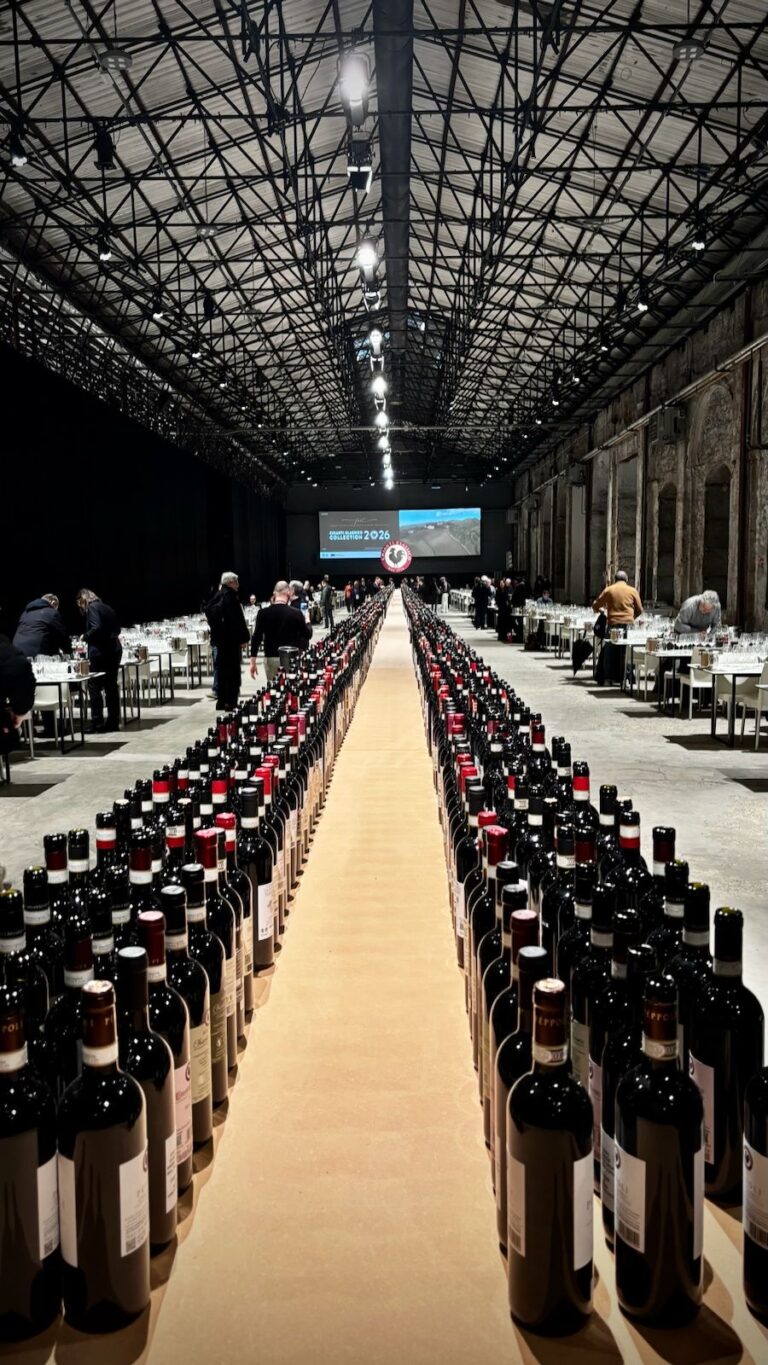
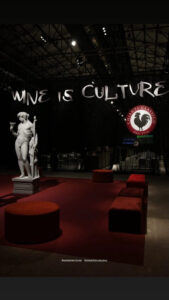 The 33rd edition of the Chianti Classico Collection arrives with a theme that is both succinct and deeply representative of the denomination’s identity: Wine is Culture. Far from being a rhetorical slogan, the concept encapsulates centuries of history, landscape, and viticultural evolution. Held on February 16 and 17 at the Stazione Leopolda in Florence, the event once again confirms its role as a central showcase for the denomination, setting a new record with 223 participating estates and 680 labels presented, including 190 Riservas and 185 Gran Seleziones.
The 2026 theme points directly to the historical foundations of Chianti Classico, a territory that stands apart within the European wine landscape. Here, wine is not merely an agricultural product but the expression of a cultural framework shaped over time. Since 1716, when the production boundaries were formally defined, the hills between Florence and Siena have preserved a remarkable heritage of rural architecture, historic estates, agricultural systems, and protected sites. This legacy continues to shape the denomination’s contemporary identity and increasingly informs its approach to wine tourism and territorial promotion.
Wine, in this context, becomes the result of a complex system where history, environment, and human knowledge converge. The producers of Chianti Classico are thus not only growers and winemakers but also custodians of a collective landscape and cultural memory. Within this broader reflection, particular attention is devoted to Chianti Classico 2000, the long-term scientific research project that marked a decisive turning point in the denomination’s qualitative evolution. Conceived to address the need for vineyard renewal while safeguarding environmental integrity, the project unfolded over sixteen years and three research cycles. The objective is not celebratory but analytical: to reassess the project’s legacy in light of current challenges, from climate change to the pursuit of ever more precise expressions of territorial identity. The clones selected through the Chianti Classico 2000 initiative are today widely regarded as essential tools for balancing quality, resilience, and stylistic consistency.
Alongside its cultural dimension, the Collection also provides an opportunity to evaluate the denomination’s market performance. The 2025 results close on a positive note. Despite a complex and uncertain global environment, sales volumes increased by more than one percentage point, reinforcing a steady upward trend observed over the past three years. Even more significant is the continued growth in value, driven primarily by the premium categories: Riserva and Gran Selezione now account for 43% of total volumes and over 55% of overall revenue.
Exports remain the primary engine of growth. The United States and Canada together absorb nearly half of the denomination’s production, with Canada in particular showing notable expansion, rising to 12% of total volumes. Both markets demonstrate strong momentum for the premium tiers, underscoring Chianti Classico’s increasingly quality-oriented positioning. Meanwhile, several European markets display growth mainly in value rather than volume, a pattern indicative of consumer maturity and evolving purchasing behavior.
The domestic Italian market retains strategic importance, representing 19% of total sales. Consumption trends here are well summarized by the now familiar principle: “drink less, drink better,” an approach that has particularly benefited Gran Selezione, perceived by Italian consumers as the qualitative summit of the denomination.
From an enological perspective, the preview of the 2024 vintage has generated considerable interest. Based on 71 wines tasted, the overall impression is more encouraging than initially expected. Many wines reveal convincing substance and concentration, supported by well-integrated tannins that already display notable harmony. At the same time, some examples show a firmer, more austere tannic structure which, in certain cases, lends a slightly rigid character to the palate. This variability likely reflects both seasonal conditions and stylistic choices, yet the vintage as a whole suggests solid qualitative potential, with several wines appearing particularly promising.
Turning to the 2023 vintage, early evaluations point to a positive outlook. A wetter-than-average spring required careful vineyard management, particularly in canopy control to mitigate fungal pressure. However, the denomination’s distinctive pedoclimatic conditions — elevated vineyard altitudes and consistent ventilation — helped contain disease impact, affecting yields rather than quality. The warm summer months did not induce significant hydric stress, thanks to sufficient water reserves, while favorable diurnal temperature shifts toward the end of the season ensured optimal grape maturation. The resulting wines show balance, freshness, and refined tannic profiles.