

Restoring meaning to olive oil tasting
Restoring meaning to olive oil tasting
A new sensory classification aims to give fine olive oils a clearer, more readable and truly comparable language.
High quality olive oil still suffers from a paradox. One of the oldest agricultural products of the Mediterranean world, it nevertheless remains difficult to read, even for informed consumers. Between technical discourse, regulatory terminology and often imprecise vocabulary, tasting struggles to rely on a clear framework capable of expressing the true style of an oil. This is precisely the gap a new sensory classification seeks to address, conceived as a genuine editorial tool.
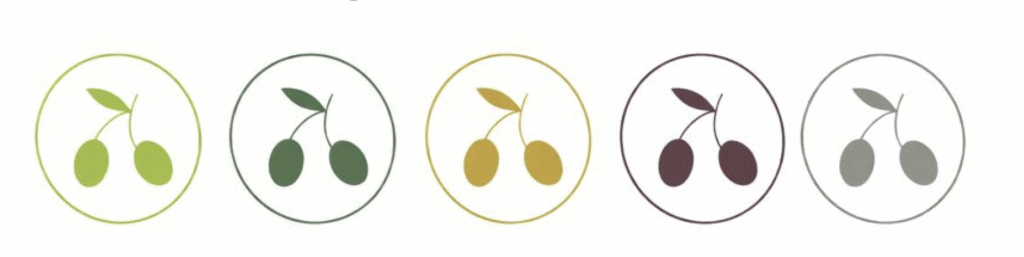
Rather than ranking or scoring, the approach proposes to position each oil according to its dominant sensory expression. The intention is explicit: to focus exclusively on quality olive oils and to deliberately exclude industrial blends devoid of identity. Here, style takes precedence over compliance, and tasting becomes a language rather than a judgement.
The classification is built around five major families, structured according to fruit maturity, mouthfeel and the balance between bitterness, pungency and texture. Tonic green fruit oils represent the most vibrant expression, marked by green olive, freshly cut grass or artichoke, supported by a firm, energetic structure. Balanced green fruit oils seek greater harmony, retaining freshness while offering a more fluid and integrated profile. As maturity increases, styles gain roundness. Elegant ripe fruit oils favour controlled softness, suppleness and aromatic finesse, while ample ripe fruit oils embrace generosity, with enveloping textures and flavours evoking black olive, dried fruits and sometimes pâtisserie notes.
The fifth family, terroir or signature oils, intentionally steps outside stylistic boundaries. These oils aim above all to express a variety, a place or a producer’s vision. Their profiles may be distinctive or unconventional, yet always coherent, reminding us that olive oil, like wine, can be a true author’s product.
Access the detailed explanation via this link.