
Wines of Valle d’Aosta
Recent vintages compared
Two consecutive harvests tell the story of an extreme territory that is finding balance and clarity again. In 2024 quality is there, but volumes fall under downy mildew pressure; in 2025 the production picture improves, with more regular ripening and cleaner aromatic profiles. The common thread remains the alpine style: fresh, saline wines with moderate alcohol.
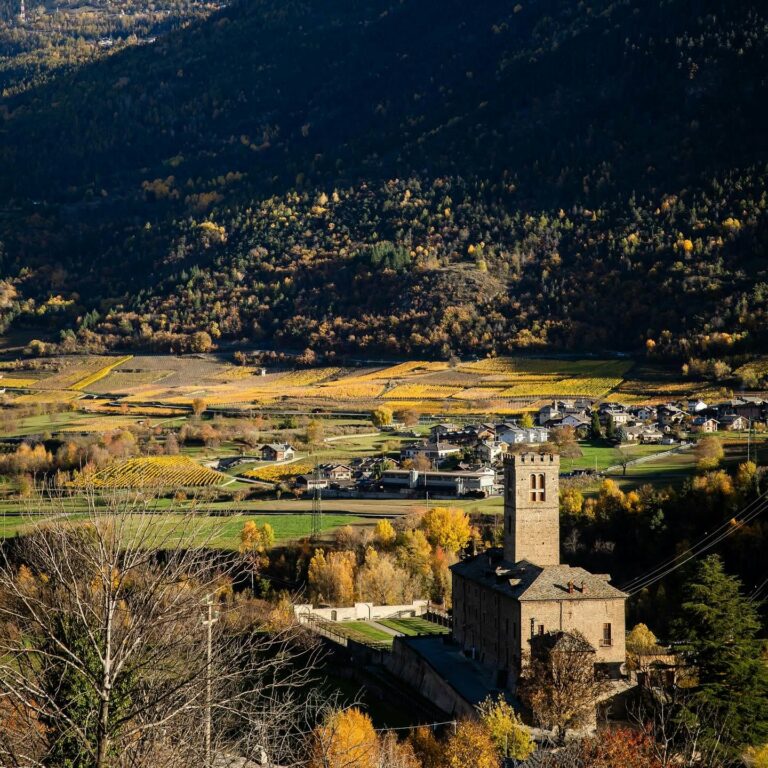
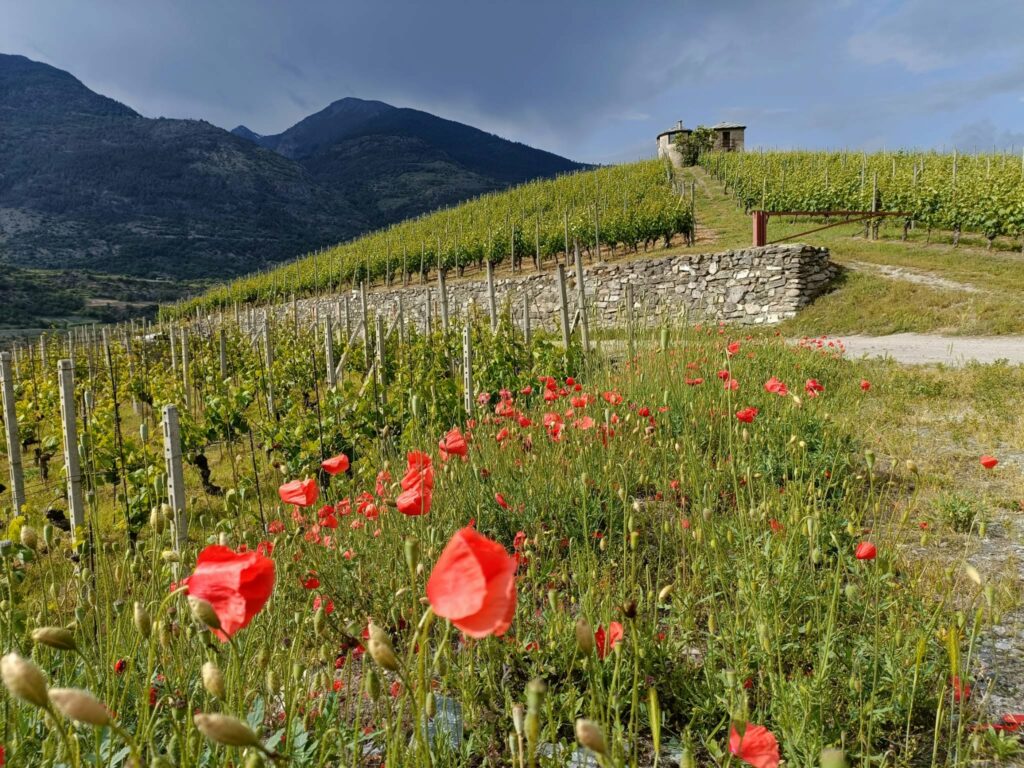
We are on the border with France, in Italy’s northwest, where heroic viticulture shapes the alpine landscape. Valle d’Aosta is a high-altitude territory returning to its true self after hot, “weighty” seasons. Despite the challenges, the region is regaining a more classic profile: mountain wines, lithe, with lively acidity and lower alcohol. The complexity of the weather pattern shows in slimmer bodies and less intense aromas, yet the taste register looks more correct, focused on tension, sapidity, and mineral-driven length.
The 2024 vintage shows quality in chiaroscuro and a decline in quantity, marked by downy mildew favored by June rains, with greater impact along the region’s central axis and especially on native red varieties. Volumes drop significantly (on the order of −20% regionally), while quality holds thanks to stricter selections and diurnal swings that preserve freshness and precise fruit. Harvest starts later than in recent years for sparkling bases, followed by the main whites, then the reds.
Mountain wines with fruit concentration and freshness center stage
The 2025 vintage shows signs of recovery and greater regularity: a more linear summer for the vineyards, with moderate heat, a drier July, and a late‑August cool-down ideal to complete ripening. Picking runs about a week earlier than the recent average; production feedback indicates overall growth around +8% on 2024, with generally good vine health.
Looking across the territory, the Lower Valley and valley floor, suited to sparkling bases, saw earlier picks, taut profiles, and fine mousse. Aymavilles and neighboring areas are the realm of high‑altitude whites (Chardonnay, Pinot Grigio, Moscato) favored by strong diurnal ranges; in 2025 the wines show a cleaner nose, crisp acidity, and saline finishes. In the central belt (Chambave and adjacent slopes) perfumed whites in 2024 sometimes lost a bit of volume, regaining aromatics and definition in 2025. In the highest vineyards (Morgex), alcohol stays low with citrus and white‑flower tones. Finally, on the warmer exposures, native reds were more penalized in 2024, while 2025 restores balance between fruit and tannic weave, avoiding over‑extraction.
The common thread is measured yet persistent freshness, alcohol kept in check, with salt and wet stone marking the finish. In the whites: citrus, mountain herbs, floral accents; in the reds: precise red fruit, fine spice, and a silhouette more slender than weighty. More precision than power; more glide than volume.