

Amarone 2021 shows itself in Verona
Balance, identity and a green turning point
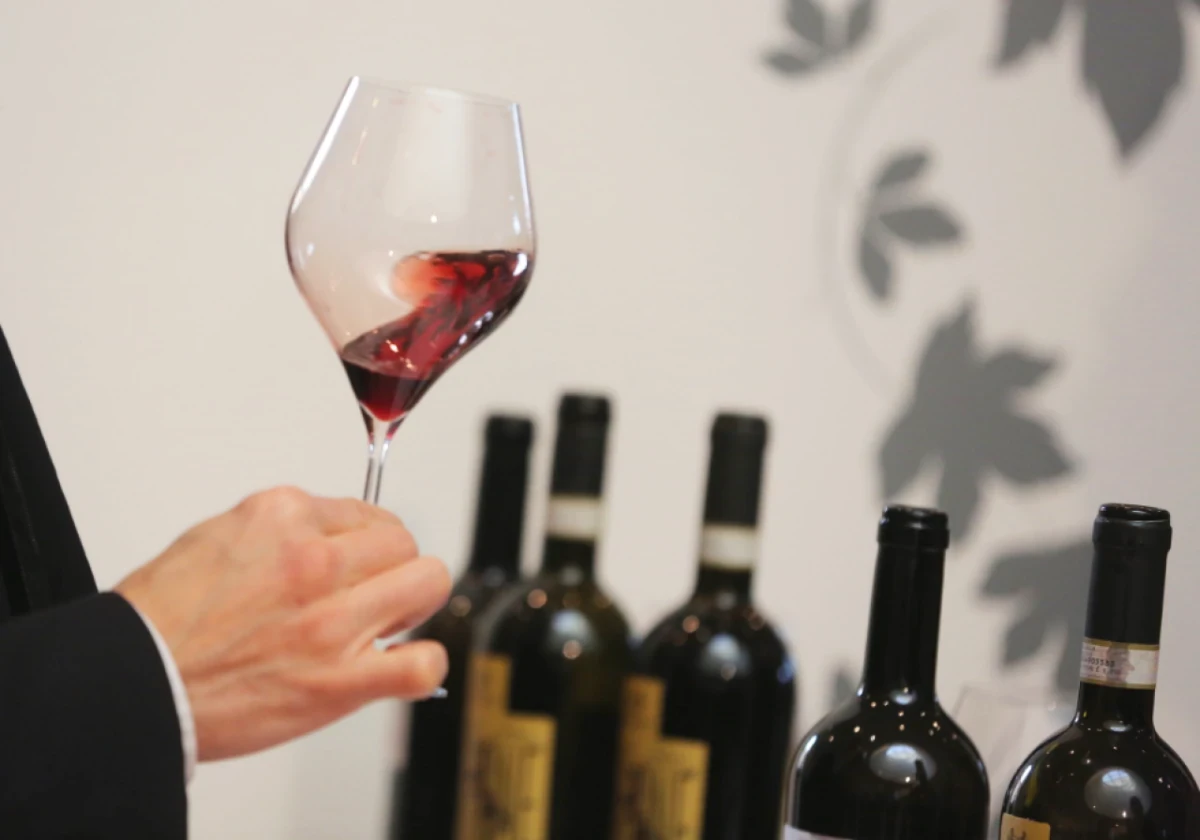
Balanced, typical and elegant. This is the profile of Valpolicella Amarone 2021, officially unveiled at the Gallerie Mercatali in Verona during Amarone Opera Prima, the annual preview organised by the Valpolicella Wine Consortium, running until tomorrow. According to the Consortium’s tasting panel, the new vintage offers a clear snapshot of the territory, marked by full integration of sensory components, finesse in ageing, an elegant structure and solid ageing potential.
A result that was far from guaranteed, given the climatic complexity of the year. The 2021 vintage was shaped by a cold start with spring frosts, followed by a hot and dry summer. A challenging season successfully overcome thanks to the resilience of the vineyards and the expertise of Valpolicella’s winegrowers, who delivered healthy, well-balanced, high-quality grapes—an authentic expression of the territory’s strength even in the most demanding vintages.
From a viticultural perspective, the season began late, with uniform budbreak occurring only after the first ten days of April. Frost damage was limited and confined to specific areas, while an exceptionally rainy May required careful management of downy mildew. Flowering, which took place between 5 and 10 June, progressed smoothly thanks to warm, dry conditions. The following phase proved more complex, with water stress affecting some vineyards and a slower but high-quality ripening process, characterised by excellent aromatic integrity, full phenolic maturity and anthocyanin levels higher than in 2020. Work in the drying lofts was also crucial: a cooler-than-average autumn allowed for a slow and regular drying process, paving the way for a refined transformation in the cellar.
The 2026 edition of Amarone Opera Prima also provided an opportunity to reaffirm Amarone’s strategic value as a symbol of Made in Italy. In a video message sent to Consortium President Christian Marchesini, Minister of Agriculture Francesco Lollobrigida described Amarone as “an icon”, highlighting the central role of protection consortia in promoting Italian excellence and developing wine tourism. This commitment now intersects with major international milestones—from the bid to recognise Italian cuisine as UNESCO Intangible Cultural Heritage to the Milan-Cortina Winter Olympics—and with a renewed cultural narrative of wine, at the heart of a communication campaign that presents it not merely as an alcoholic product, but as an expression of territory, environment and identity.
Alongside enological quality, the denomination’s green transition is emerging strongly. For the first time, more than half of Valpolicella’s vineyard area is certified as sustainable. In 2025, eco-compatible surfaces reached 53% of the total, driven primarily by the growth of the national SQNPI certification scheme, which has increased by 110% over the past three years (+47% in 2025 alone). Today, certified agro-environmental protection covers nearly 4,700 hectares out of approximately 8,600, confirming sustainability as a strategic asset not only for the environment but also for the market—particularly in Northern Europe and North America.
On the economic front, 2025 closed as a challenging year, albeit with signs of recovery in the final quarter. Amarone limited its decline to -2.4%, in a context marked by tariffs, economic slowdowns and contractions in some historic markets. Meanwhile, key destinations such as Canada, Germany, the United Kingdom and the Netherlands recorded growth, confirming the denomination’s ability to respond and reposition itself.