
The Tsar’s lost wines
written by Erika Mantovan
Bottles of Champagne, identified as Roederer, discovered on the seabed of the Baltic Sea inside a shipwreck bound for Russia.
It sounds like the plot of an adventure film, yet it was one of the most fascinating stories told during the recent celebrations marking the 250th anniversary of Louis Roederer in Reims.
The story was brought to the stage by Peter Liem, American writer, wine critic and technical diver. Following the discovery of the wreck in 2024 by the Polish diving team Baltictech, Jean-Baptiste Lécaillon, Cellar Master of the House, launched a recovery mission in collaboration with Swedish authorities, archaeologists and an international team of specialist divers. The aim was to bring to the surface some of the bottles that had lain undisturbed on the floor of the Baltic Sea for more than a century and a half.
The underwater operations were led by Tomasz Stachura, founder and head of Baltictech, one of Northern Europe’s leading shipwreck explorers. It was his team that discovered the wreck in the summer of 2024 off the southern coast of Sweden. The vessel, approximately eighteen metres long, carried a cargo of luxury goods: cases of Louis Roederer Champagne, bottles of Selters mineral water from the former Duchy of Nassau, other wines, porcelain tableware, bowls, jugs, decanters and numerous objects intended for the aristocracy of the time.
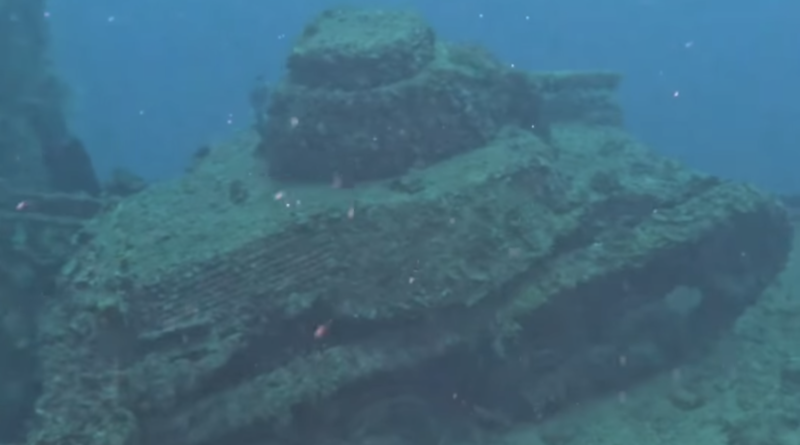
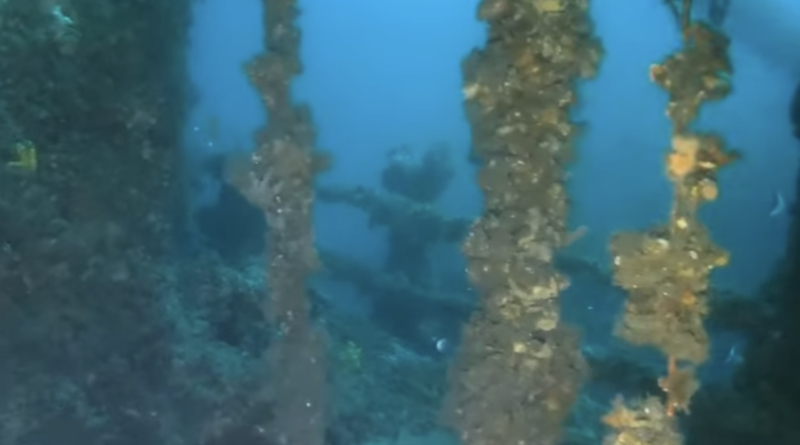
A true catalogue of mid-nineteenth-century European luxury, preserved in the cold waters of the Baltic for more than 150 years. Despite the extraordinary amount of time spent on the seabed, the name “L. Roederer” was still visible on the bottle collars and cork markings. It was this remarkable detail that allowed the bottles to be identified and led Baltictech to contact the House.
“I’ve never seen so much cargo on such a small ship,” recalled Stachura. “It is impossible to know exactly how much material is still down there, but the hold is completely packed to the brim.”
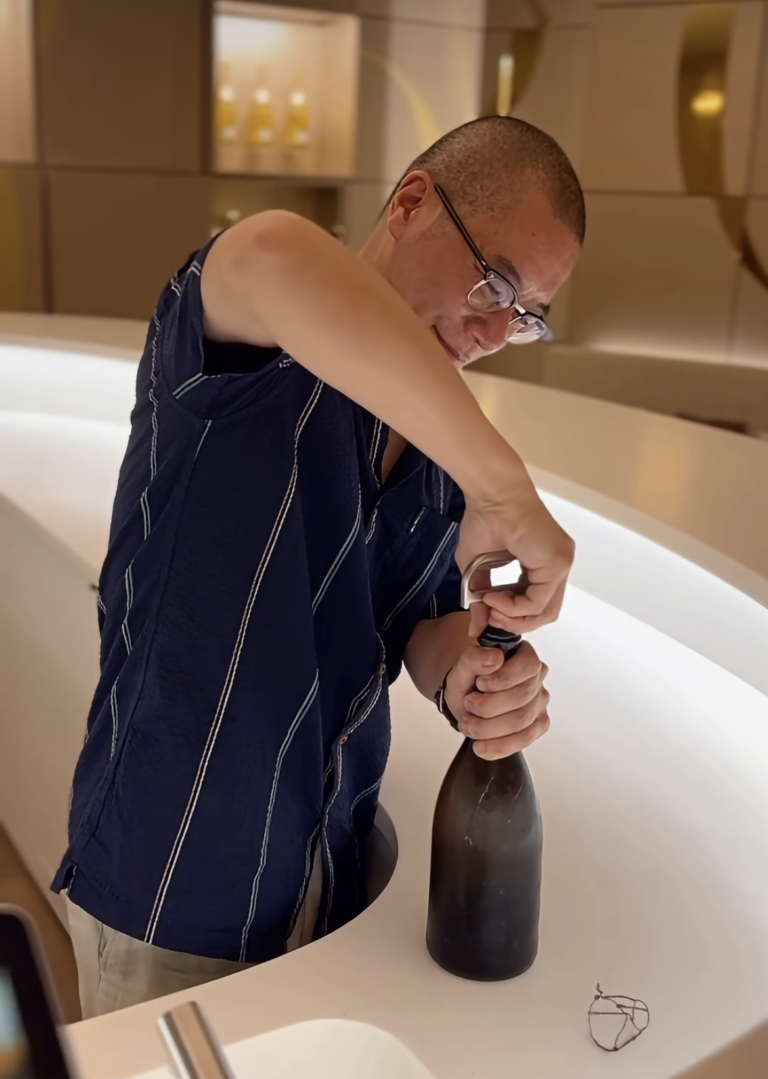
The emotions are difficult to describe when opening a 170-year-old bottle recovered from the depths of the Baltic Sea. Many of the bottles were empty or had corks that had been compromised by time. Others, however, had preserved their contents, offering a once-in-a-lifetime opportunity: making direct contact with the taste of nineteenth-century Champagne. Once opened, the bottle proved astonishingly alive. Liem describes it as a wine that was “patinated, authoritative and unmistakably complex“, with aromas reminiscent of shiitake mushrooms, saffron, kombu seaweed, saddle leather, cigar box and roasted coffee. The wine retained a remarkable vitality and a depth that, in the words of the American critic, recalled that of a great Amontillado. Jean-Baptiste analyzed the wine and it has 110 g/l of sugar.
Studies carried out so far suggest a possible date of around 1857, although historical verification is still underway. If confirmed, the bottle would have been travelling towards Saint Petersburg almost twenty years before the official creation of Cristal, offering a rare glimpse of what Tsar Alexander II may have been drinking before the House created its celebrated prestige cuvée for him in 1876.
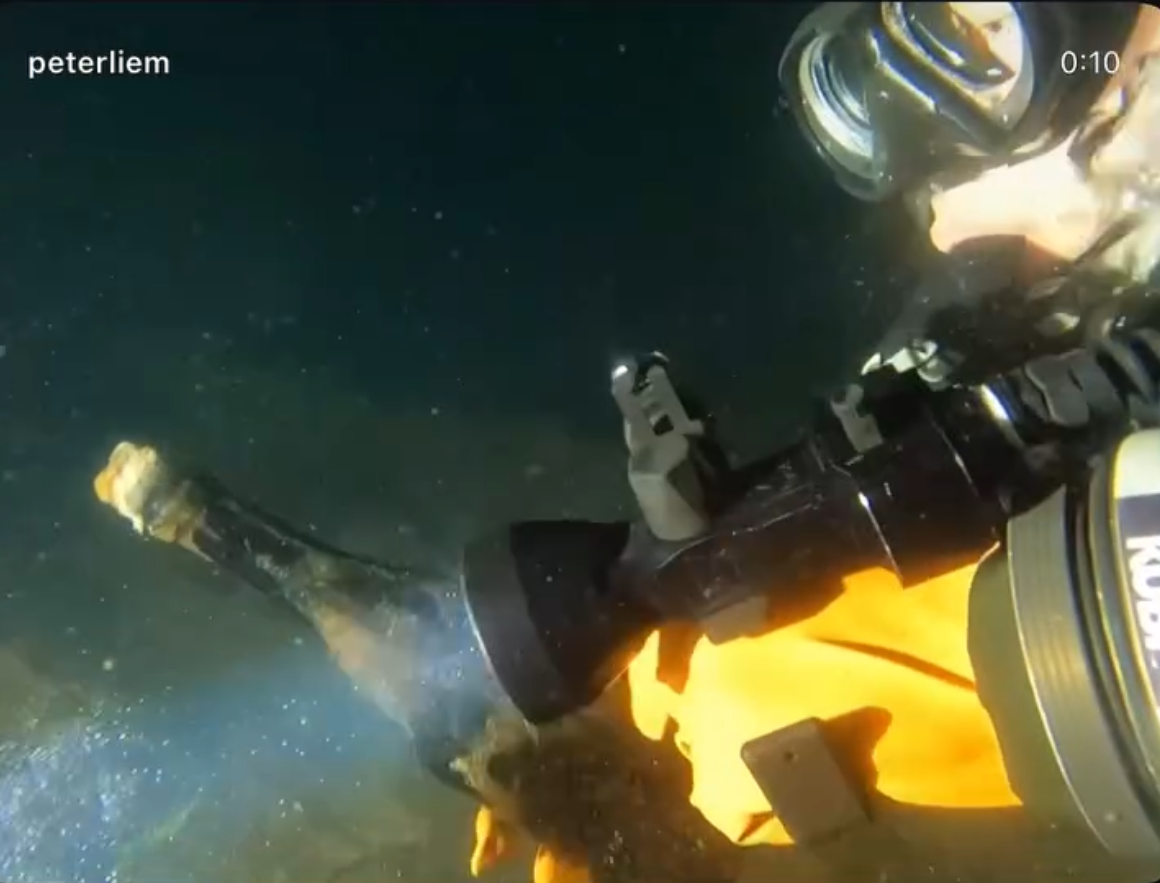
The recovered bottles belong to a period when Louis Roederer was already one of the principal suppliers to the Russian Empire. They may represent a direct link to the Imperial Court and to the taste that would eventually contribute to the creation of one of Champagne’s most iconic wines. Whether this was a stylistic ancestor of Cristal or simply a shipment destined for the Tsar’s court matters relatively little, because it confirms the connection between the House and Imperial Russia, a relationship previously known almost exclusively through historical documents.
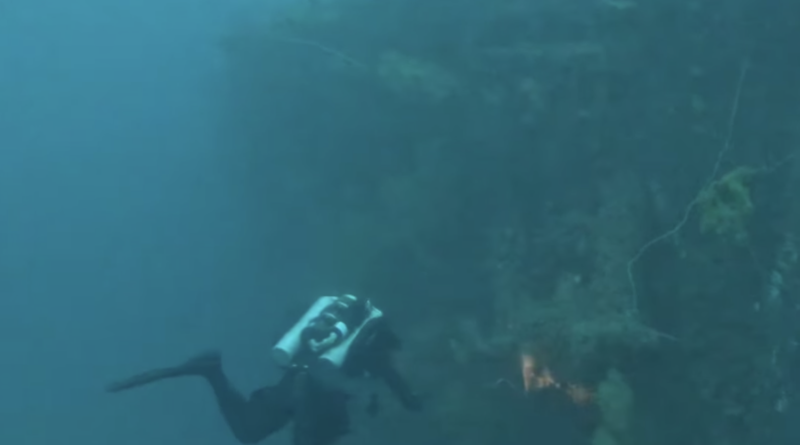
According to Liem, this was also the first time Swedish authorities had authorised a recovery operation of this kind in the country’s territorial waters. The project involved archaeologists and historians tasked with documenting every stage of the operation. Diving conditions were particularly demanding. The wreck lies at a depth of between 60 and 65 metres, in waters with temperatures of around 4°C, conditions that require advanced technical training and years of experience. “The bottle was heavier than I expected. Or perhaps it was the weight of time and history. To be underwater and hold one of these bottles in your hands for the first time is an indescribable feeling,” said Liem.
The Baltic Sea, thanks to its unique environmental conditions, functions as a natural cellar. Low temperatures and environmental stability have contributed to the extraordinary preservation of the cargo. The tasting also confirmed the quality of the House’s wines, rooted in Louis Roederer’s pioneering vision as one of the first producers to invest directly in the finest vineyards of the Montagne de Reims. The terroirs of Verzy and Verzenay became central to the identity of the House and continue to shape the character of its prestigious Vintage and Cristal cuvées, respectively.
Ultimately, tasting one of those bottles was like entering into a conversation with the people who had made it.