
Beyond the Bottle: Loess and Ambition
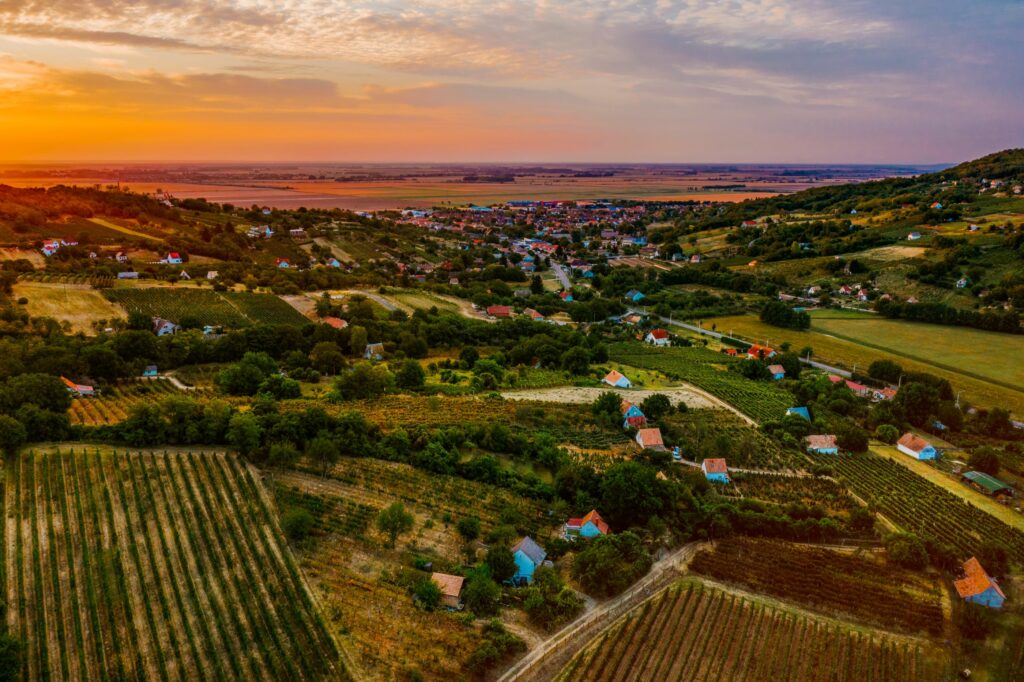
The wine district of Szekszárd has all the potential to build a worldwide reputation. Giving home to a loveable indigenous grape variety, producing Bikavér, introducing a quality-assurance system, having a catchy name and besides all, having amazing producers who believe in the success – now even more as they have a Master of Wine supporting their work.
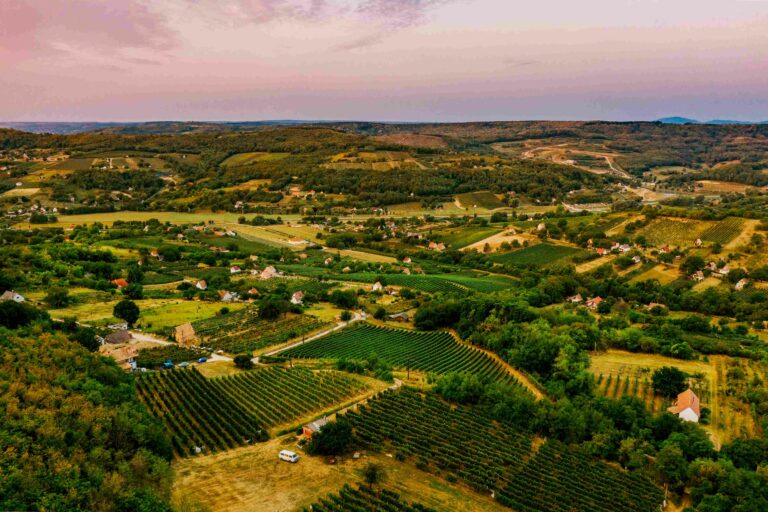
If you have ever visited Villány you most probably passed Szekszárd – this is an exit on the highway a bit earlier than the road which goes to Villány, appr. 160 km away from the capital towards south-southwest. Szekszárd is the name of the wine district and the town too: most of the wineries are situated just next to it with a hilly, vineyard-covered landscape around them.
The district’s “geological hardware” consists of a 20-40 meter loess layer over a clay and sand base. Beyond its high lime content, iron-oxide-rich red clay adds distinct mineral notes and texture to the wines. This deep soil, combined with a landscape of erosion valleys, provides diverse microclimates that define the region’s elegant, spicy style.
Local Heroes
The climate is hot continental, often reaching even 40°C in the summertime – obviously suitable for reds, and 80% of the plantations are red grape varieties: mainly Kékfrankos (Blaufränkisch) and indigenous Kadarka. This latter variety is often called the “Hungarian Pinot Noir” and not by chance: they show impeccable similarities in elegance and structure, and besides, how “hysterical” they can be as vines. What’s more, Kadarka is often grown on old vines – and by old vines I mean more than 100 years old.
In case you are a little bit familiar with the wines of Hungary for sure you have heard about the Egri Bikavér, but maybe you do not know there is a close competitor in this cuvée category, the Szekszárdi Bikavér. Regarding the Szekszárd style, the most important rule is that the cuvée must contain Kékfrankos and Kadarka – these two varieties together must make up at least 50% of the blend.
A Shared Vision
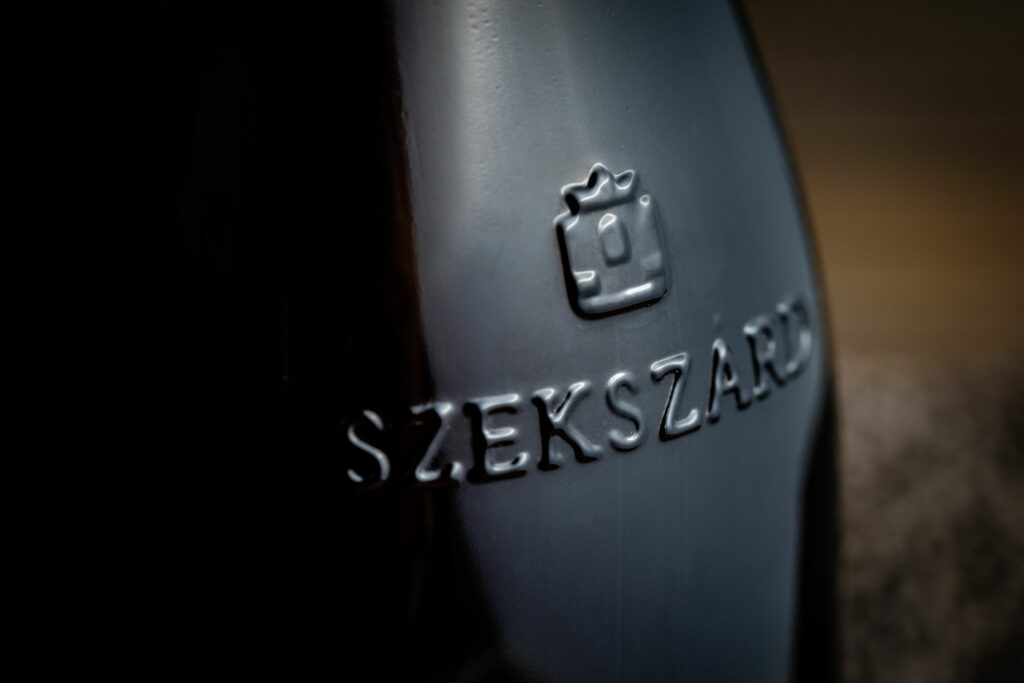
To preserve their heritage, local producers began tasting their wines together, and 11 years ago, an idea was born: they needed a unique bottle to showcase the quality of their flagship wines—specifically Kékfrankos, Kadarka, and, of course, Bikavér.
In 2010, independent local producers—including Heimann, Sebestyén, and Eszterbauer—began brainstorming how to increase their international visibility. Taking inspiration from regions like Châteauneuf-du-Pape, where a collective visual identity sets clear expectations for quality, they developed a bespoke bottle with “Szekszárd” (pronounced Sek-sard) embossed on it. To ensure its prestige, they established three fundamental rules: the specific blend requirements, the exclusive use of locally grown grapes, and a mandatory rigorous blind tasting. This system not only showcases quality but has fostered a culture of self-criticism, prompting producers to refine their practices to meet these consistent standards.
The Road Ahead
By the end of 2025, a new collaboration started to shape the future of this collective. Wojciech Bońkowski Master of Wine – who, among others, studied the hierarchies of Burgundy, Piedmont, Germany and Austria before he wrote his thesis on a possible hierarchy for the wines of Tokaj – is standing behind these producers and advising on the next steps. They aim to differentiate their products even better, to have a more precise unique tone not only at the highest quality products but also on the entry-level wines and to emphasize their historical winemaking heritage even more.