
Welcome Barolo 2022
written by Erika Mantovan
An extreme vintage reflecting the resilience of the Langhe
There could have been no better venue than the Enoteca Regionale del Barolo to outline the official profile of the 2022 Barolo. The occasion not only allowed for a detailed description of the vintage but also provided a moment to discuss the effects of climate change and the adaptation strategies of producers, confirming the resilience of Nebbiolo, the iconic grape of Piedmont’s great red wines.
The Langhe continue to grow in appeal: the UNESCO-listed hills host both Michelin-starred restaurants and traditional trattorias, perfect for tasting local excellence. Thant means telling the story of Barolo 2022 means combining experience, landscape, merging climate data, expert insights, and first-hand accounts from producers.
Climate and viticulture: the 2022 vintage according to data
According to Federico Spanna, agronomist for the Piedmont Region, 2022 was an extreme vintage in the recent history of Piedmontese viticulture: prolonged drought and above-average temperatures marked the entire vegetative cycle of the vines.
Key Data:
Precipitation between 40% and 50% of the historical average.
Average positive temperature deviation of 1.7–2.0 °C from January to October.
Accumulated thermal sum 15–25% higher than the average.
Maximum historical cumulative Huglin Index, exceeding even the 2003 heatwave vintage.
In the early months, shoots and leaves developed normally thanks to favorable temperatures and low phytosanitary pressure. Later, water and heat stress slowed photosynthesis, reduced vegetative growth, and caused necrosis, desiccation, and sunburn on the clusters. The effects resulted in lower productivity and accelerated phenological phases.
Physiological stress and adaptation led to reduced filling of storage organs, early phenology, and increased vulnerability to pathogens. The persistence of anomalies required targeted agronomic interventions to limit damage and optimize grape quality.
Barolo 2022: challenging, selective, resilient
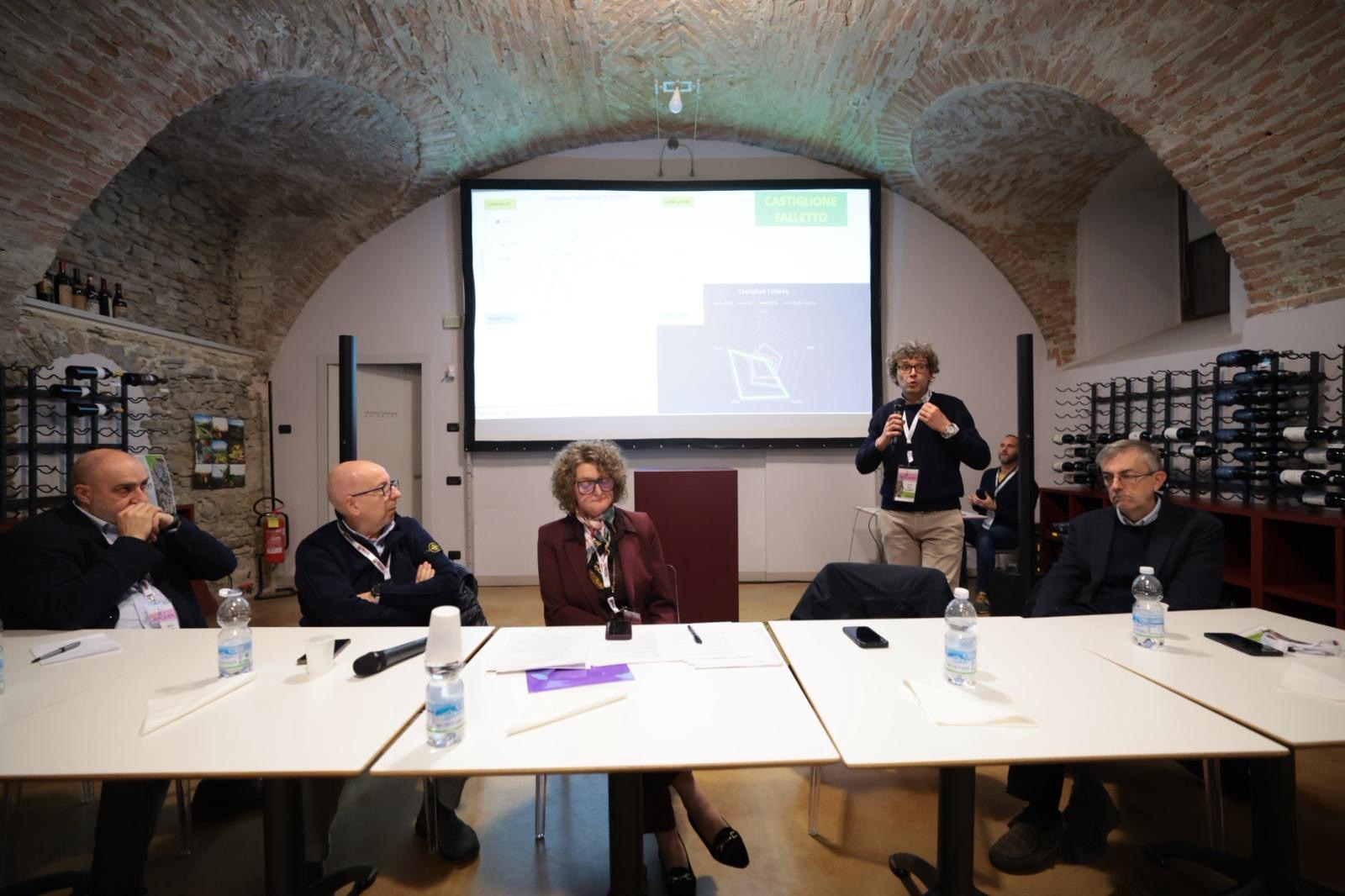
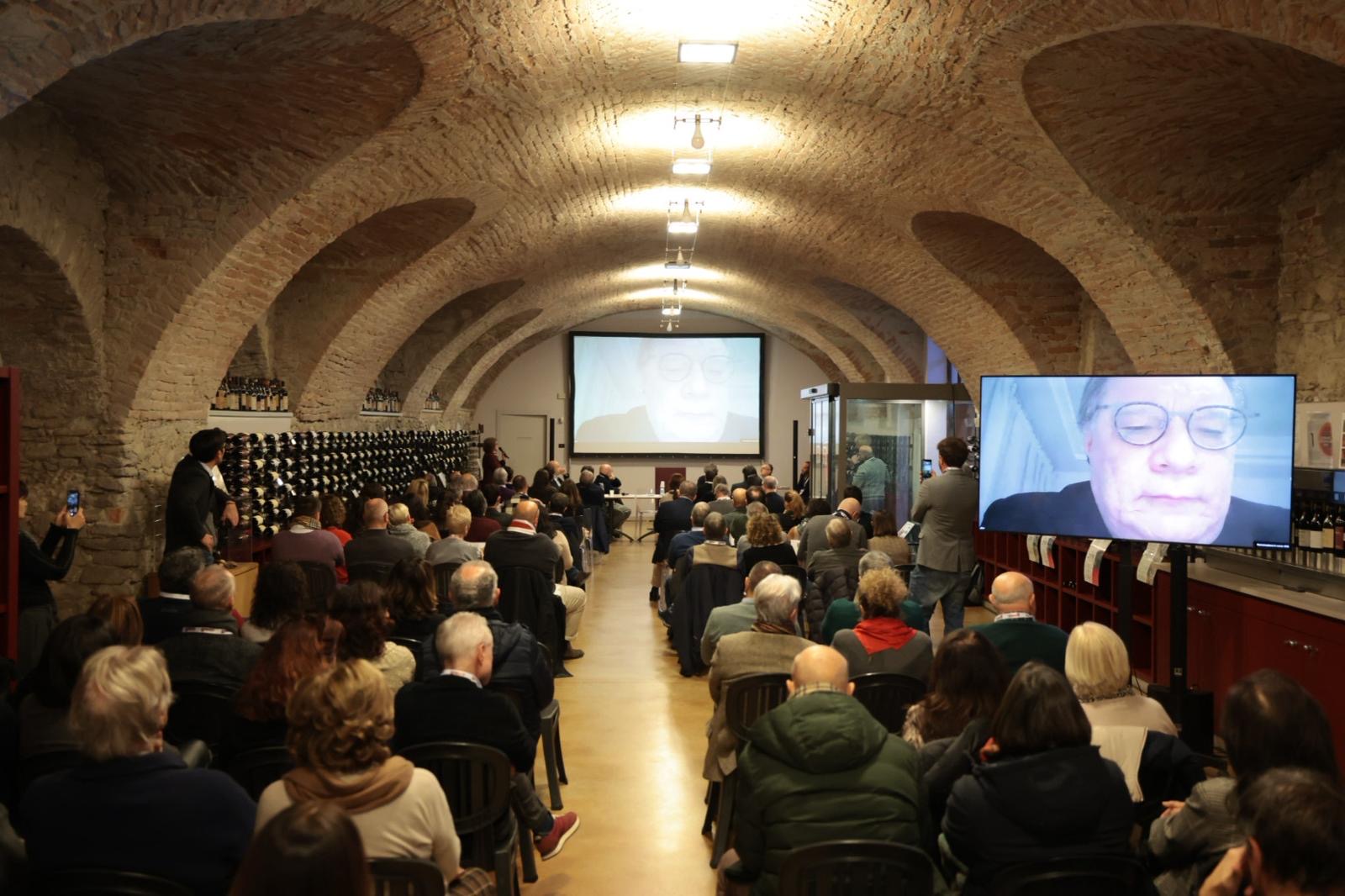
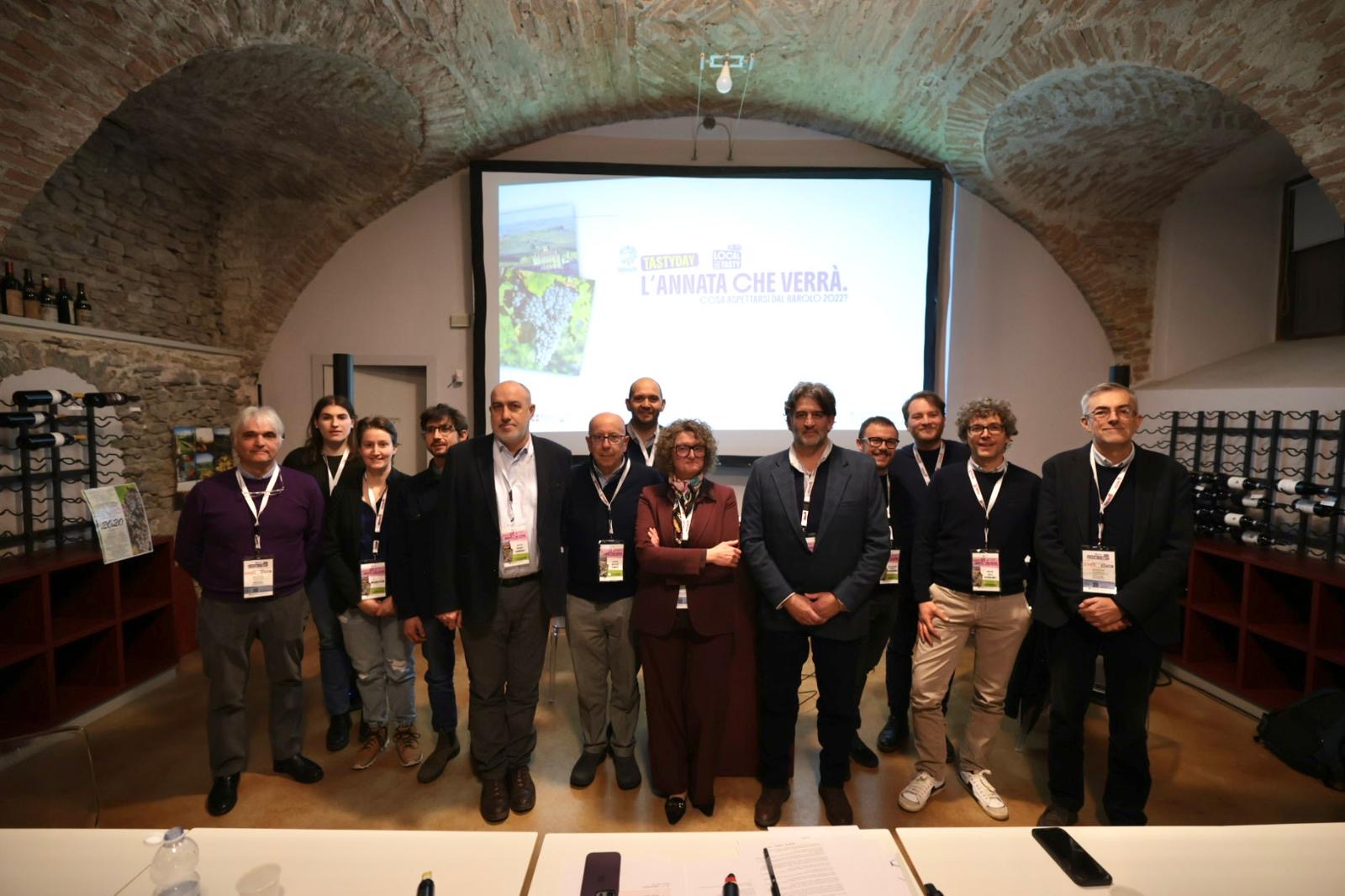
On December 6, 2025, the 2022 Barolo was presented as said, at the Enoteca Regionale del Barolo during the event “The Coming Vintage”, moderated by Cristiana Grimaldi. An official event where the competent authorities and producers trace their first impressions of the vintage, while still allowing the wine further time to refine itself before the final judgment—that of the consumer in the glass. Five experts offered a collective reading of the vintage:
Federico Spanna: “The vintage teaches us much about the fragility and resilience of the Piedmontese production system.”
Luca Rostagno: “A true ‘Barolo maturity exam,’ with early harvests and vinifications adapted to new climatic conditions.”
Sergio Germano: “Nebbiolo responded with balance, showing extraordinary adaptability.”
Michele Longo: “A Barolo to listen to, highlighting differences between parcels and rewarding the producer’s attention.”
Ian D’Agata: “The 2022 Barolo shows a warmer sensory profile, with balanced acidity and already soft tannins, the result of a selective Nebbiolo carefully interpreted by the producers. And that is the magic of 2022: you have wines that clearly come from a warm vintage, yet they resemble wines from much more modest vintages. For us, this is what defines 2022. What’s remarkable about Barolo is that a wine from 2022 can still express clear distinctions between the various communes—La Morra, Barolo, Monforte d’Alba—despite the warmth of the year. There is recognition at both the commune and vineyard level, which is usually lost in very hot vintages like 2006 or 2007. The 2022 vintage was very successful, and I believe it will produce wines that people will really enjoy. It is a vintage that works particularly well for markets such as China, where they favor wines that are slightly sweeter or rounder, with less pronounced astringency. But this is not only true for China; these are wines that will be appreciated worldwide, including in the United States and Canada.“
Local is Tasty 2.0: The langhe short supply chain
During the event, the Local is Tasty 2.0 project was presented, a Piedmont Region initiative promoting the short supply chain by connecting 11 local producers of honey, hazelnuts, cheese, vermouth, and other traditional products.
The project includes:
TastyLab: free, reservation-based tasting workshops exploring product origins and processing.
TastyDay: public days for direct encounters with producers.
TastyCorner: partner sales points, showcasing sustainability and tradition.
TastyStories: a digital diary with videos, interviews, micro-documentaries, and educational paths on products and agricultural practices.
Cristiana Grimaldi emphasized that the project creates a direct link between producers and tasters, highlighting the value of manual skills, the rhythm of the seasons, and care for the land.