
HUMANITY AT THE CENTER AND RESPECT FOR THE TERRITORY
GENSY 2025, a grand congress putting humanity at the center: travel, food, wine, and holistic well-being
A remarkable congress that placed at its heart themes dear to humanity: travel, food, wine, and holistic well-being. Sicily unveiled its new trajectory toward high-quality, internationally-minded tourism, increasingly capable of extending beyond the traditional summer season. Far from being confined to the usual peak months, the island is showing how it can offer authentic, year-round experiences that combine culture, gastronomy, and personal enrichment.
Humanity must return to the center, and the travel experience should start from respect for the territory that welcomes us. This is the essence of GENSY 2025, the biennial congress organized by La Sicilia di Ulisse, which brought together nearly two hundred journalists and industry professionals at the Grand Hotel et Des Palmes in Palermo to redefine the contemporary meaning of well-being, hospitality, and travel.
The congress offered a collective reflection on culinary culture, the dialogue between food and wine, care for the territory, and the experiential dimension of tourism, providing ideas and visions for both members and guests. A true manifesto of human and sustainable hospitality, it emphasizes placing the person at the heart of every experience—from the plate to the landscape, from personal encounters to the storytelling of the journey.
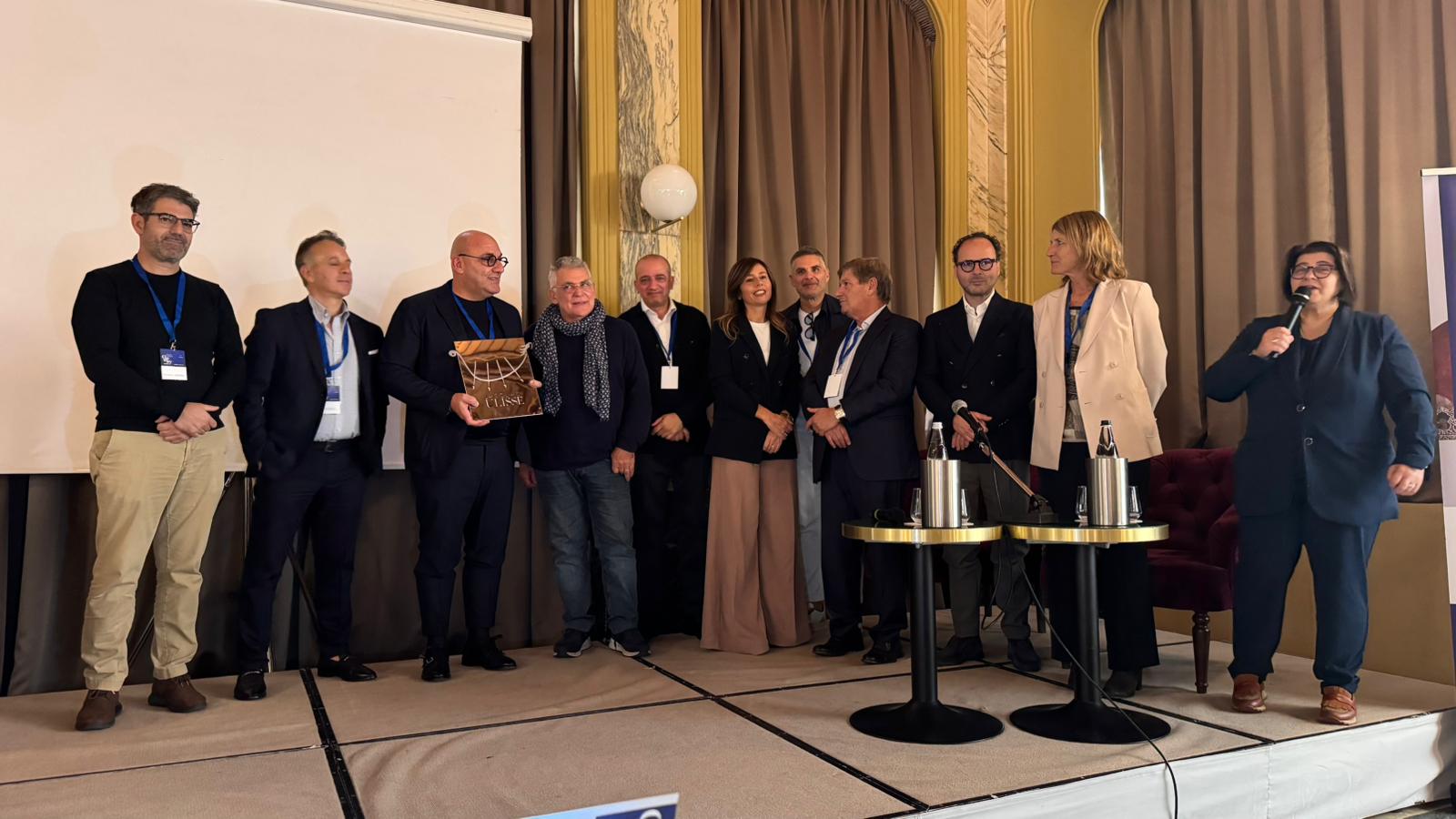
During the event, five new members were announced: Grand Hotel et Des Palmes (Palermo), Grand Hotel San Pietro (Taormina), Area M (Siracusa), Limu (Bagheria), and Le Lumie (Marsala), the first associated restaurant in the province of Trapani.
Human value first
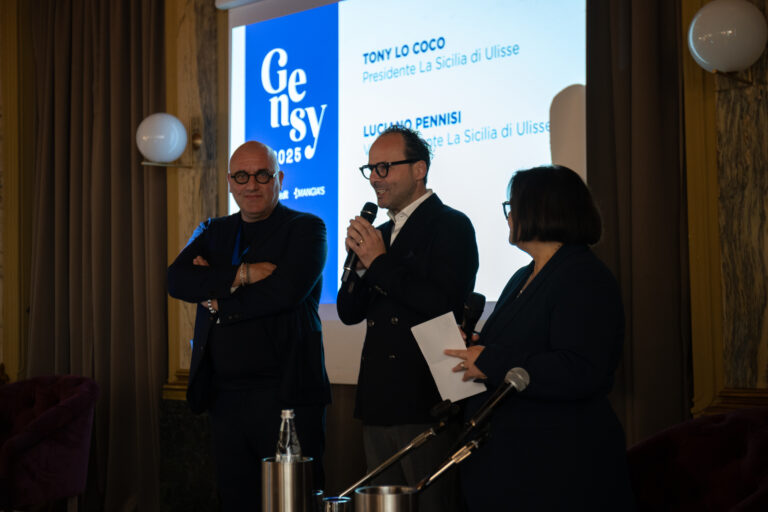
Tony Lo Coco, president of La Sicilia di Ulisse, opened the congress highlighting its deeper purpose: reflecting on the human aspect of well-being and a vision for Sicily that embraces authenticity, culture, and passion. “GENSY,” Lo Coco explained, “is about telling the human essence of who we are and who we can become. Sicily is not just a place; it is a way of being, of welcoming, and of building the future.”
Vice president Luciano Pennisi echoed this sentiment, emphasizing that “we sell well-being, whether it’s a comforting touch, a glass of wine, or a smile. Our task is to make people feel good, whether they are discovering Sicily or living it daily.”
Following greetings from Palermo Mayor Roberto Lagalla, Prof. Rosario Schicchi, director of the Palermo Botanical Garden, and Salvatore Malandrino, Regional Manager Sicily at UniCredit, the congress moved into its first panel, led by Paolo Vizzari, focusing on food as an expression of well-being and social awareness.
Food as a language of care and awareness
“Today we talk about cuisine and hospitality,” Vizzari said, “but with a different perspective. Food can be intimidating for some, but shedding light on it removes fear and makes it approachable.”
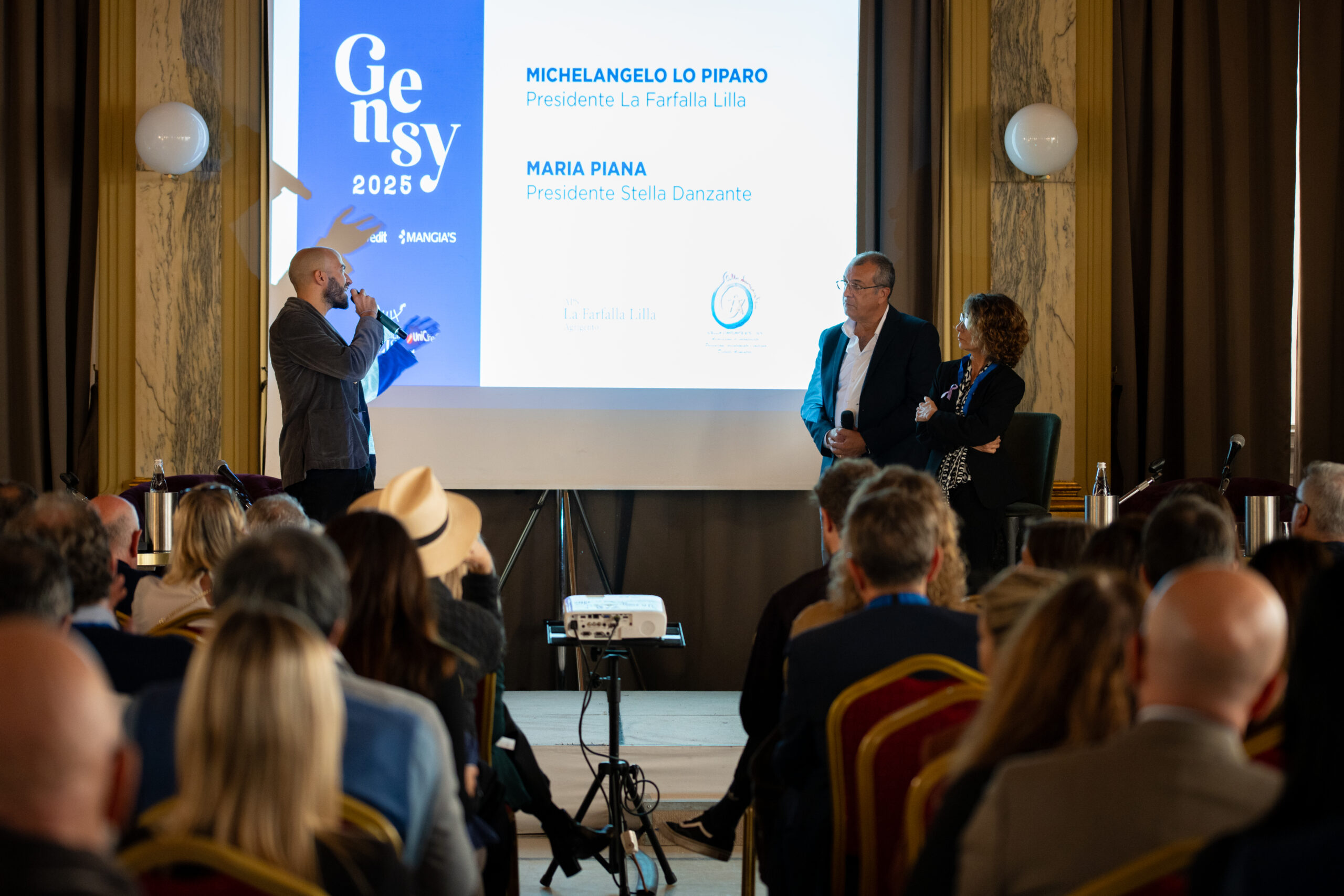
The discussion included testimonies from associations supporting those with eating disorders: Stella Danzante (Catania) and La Farfalla Lilla (Agrigento). Maria Piana of Stella Danzante emphasized, “Anorexia, bulimia, compulsive overeating—all stem from a shared obsession with food. Families are not alone; accessible care networks are growing.” Michelangelo Lo Piparo of La Farfalla Lilla noted that over four million cases of eating disorders are diagnosed in Italy. Both associations received contributions from UniCredit to support their ongoing solidarity projects.
The panel also featured prominent voices in Italian culinary communication: Chiara Maci, Alberto Cauzzi, and Davide Oldani. They highlighted the importance of making culinary culture accessible, fostering dialogue, and promoting respect and humanity in the kitchen.
 Wine as a form of honesty and culture
 Wine as a form of honesty and culture
The second panel, moderated by Andrea Amadei, explored wine as an expression of identity and conviviality. “Food and wine are a marriage of love,” Amadei said, “and we must return to telling their story together.”
Alessandro Regoli of Wine News emphasized, “The world of wine must reconnect with reality; it is not the center of the universe. Everything revolves around the table and conviviality.” The conversation underlined that wine is part of culture, history, and community, and its value grows when approached with awareness, moderation, and respect.
Regoli emphasized the cultural role of wine in Italian dining traditions, its link to UNESCO recognition, and the importance of adaptive communication. Laura Donadoni highlighted wellness through wine, stressing moderation and the cultural context of consumption, while noting trends in the U.S. toward low- and no-alcohol products. Sandro Sartor reinforced the principle of responsible consumption, pointing out that wine’s value lies in its cultural, historical, and communal significance.
Luca Caruso, from Hotel Signum in Salina and Eolia winery, concluded the panel, emphasizing the importance of “drinking less but better” and engaging with local stories to fully experience the territory.
Hospitality: human warmth and respect for place
A panel introduced by Elisabetta Canoro addressed how tourism and hospitality are evolving, focusing on experiences and emotions. Beatrice Tomasini highlighted Sicily’s embodiment of authentic hospitality and warmth, noting that in a digitalized world, personal contact and belonging to the territory remain crucial. Architect Viviana Haddad stressed the ethical responsibility of architecture, advocating for designs that respect local identity. Entrepreneur Marcello Mangiaemphasized that hospitality is measured in gestures, combining innovation with tradition, efficiency with humanity, and global reach with local identity.
Travel as a terapy
Eventually, in the final panel, Federica Brunini introduced the concept of Travel Therapy, “the right journey, at the right time, for the right person.” Sara Magro spoke of holistic well-being, extending beyond spa treatments to experiences in cooking, walking, and meditation. Professor Franco Riva described travel as an encounter and creative crisis, while Maurizio Adamo proposed “emotional photography” to turn travel into personal reflection. Laura Anello, president of the Fondazione Le Vie dei Tesori, highlighted Sicily’s collective memory preserved in over 500 cultural sites, emphasizing community-driven experiential tourism.
Eventually, catapulting the traveler into a setting makes all the difference in hospitality. It is about tuning in to the essence of the place to offer a complete tourism experience rich in meaning. This approach relies on three essential elements:
Conveying the memory of the place;
Designing tailor-made projects for each guest;
Enhancing the craftsmanship and local heritage.
What is La Sicilia di Ulisse?
Founded in 2002 by visionary chefs, La Sicilia di Ulisse has been promoting the wonders of Sicily for over twenty years, offering travelers authentic experiences of flavors, landscapes, and products reflecting the island’s Mediterranean soul. The association includes 57 members (39 restaurants and historic patisseries, 18 boutique hotels) and 21 partner wineries, employing around 1,500 people and generating an estimated €180 million in revenue. Through its portal and app, it provides clear access to its exclusive offerings. Since April 2024, Tony Lo Coco has been president.
written by Erika Mantovan