
Sicily looks ahead to an outstanding 2026 harvest
A promising vintage driven by abundant winter rainfall, excellent vineyard health and the remarkable diversity of Sicily’s wine-growing landscapes
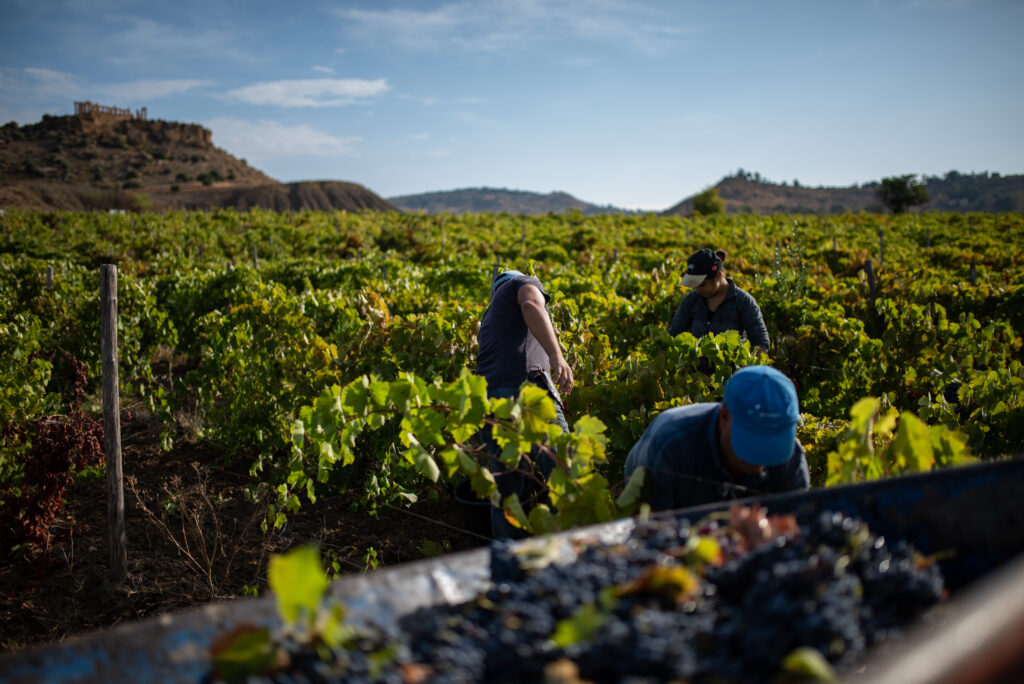
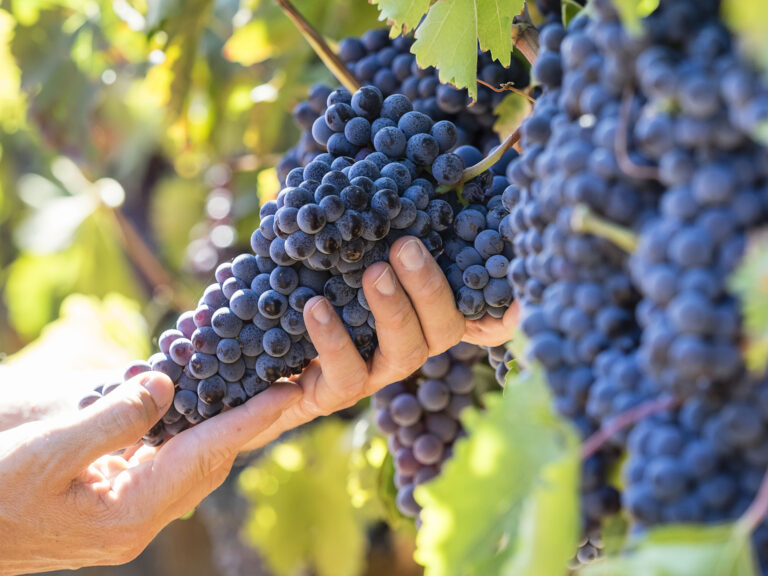
The first grape clusters have officially been harvested, marking the beginning of Sicily’s 2026 vintage. As every year, the island’s earliest-ripening white varieties are the first to be picked in western Sicily before the harvest gradually moves across the island, eventually reaching the slopes of Mount Etna, where grape picking is expected to continue until late October and even early November. Spanning nearly one hundred days, this extended harvest season once again highlights the extraordinary diversity of Sicily’s terroirs, climates and grape varieties, reinforcing the island’s reputation as one of the Mediterranean’s most fascinating wine regions.
As the new vintage begins, producers represented by Assovini Sicilia are expressing considerable optimism. A particularly rainy winter and spring have successfully replenished soil water reserves across much of the island, providing vines with ideal growing conditions throughout the vegetative cycle. These reserves have also helped vineyards withstand the high temperatures experienced during July, while disease pressure has remained limited. According to the association, only isolated vineyard issues have been reported and were quickly brought under control, leaving vines in excellent phytosanitary condition. Overall, expectations point towards wines combining freshness, elegance and remarkable aromatic complexity.
Harvest operations begin with international varieties such as Pinot Noir and Chardonnay, destined both for sparkling wine production and still wines. In western Sicily, Grillo once again confirms its remarkable resilience to increasingly challenging climatic conditions, while Nero d’Avola and Perricone are showing excellent vegetative development. Growers also underline the importance of rigorous vineyard management and sustainable farming practices, which have played a decisive role in preserving grape quality despite the summer heat.
As the harvest advances towards the island’s inland and south-eastern areas, the outlook remains equally encouraging. Nero d’Avola and Catarratto are expected to deliver excellent quality, while in the Ragusa area Frappato continues to demonstrate its exceptional ability to express both freshness and elegance, even under extreme temperatures. Around Noto, the traditional bush-trained vines once again prove their value, naturally allowing better air circulation and helping vines cope with prolonged periods of heat. Further north-east, the vineyards of Faro DOC and Mamertino DOC benefit from the cooling influence of the Strait of Messina, creating ideal conditions for native varieties such as Nocera and Nerello Mascalese. Although some producers remain cautiously attentive to the weather during the coming weeks, vineyard conditions are currently considered highly satisfactory. Sicily’s islands also contribute to the richness of the vintage. On Salina, Malvasia is expected to reach outstanding quality, while on Pantelleria the iconic Zibibbo has maintained an excellent balance between sugar concentration and acidity despite the summer heat.
The harvest will conclude on the volcanic slopes of Mount Etna, where altitude and significant day-night temperature variations continue to preserve freshness, aromatic expression and phenolic balance in both Nerello Mascalese and Carricante. If the favourable conditions observed so far continue throughout the remainder of the season, Sicily appears well positioned to produce another vintage distinguished by balance, precision and strong territorial identity.