
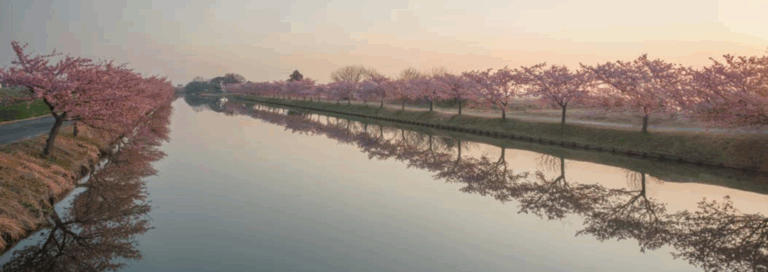
MIE SAKE
Something sacred
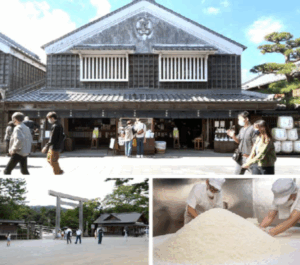
Last September, I had the privilege and honor of being invited by JETRO Mie (Japan External Trade Organization) to discover the secrets of Mie prefecture: its magical atmosphere, its heavenly waters, its exceptional sakes, and its deep love of gastronomy. Located on the Pacific coast in the southeast of the main island Honshu, Mie Prefecture is famous for being home to Ise Jingu Grand Shrine. It is the most sacred Shinto place in Japan, which comprises 125 shrines surrounding the most famous of them, Kotai Jingu, dedicated to the Sun Goddess Amaterasu-omikami, the ancestral guardian of the Japanese people. It is also famous, more recently, to be the first place of appearance of the one and only Godzilla, in its first movie in 1954!
Every year, over 1,500 festivals are held at Ise Jingu Grand Shrine to pray for peace and the bounty of nature, including rice harvests. If Japan is considered as the land of abundant water, where rice thrives, then Mie Prefecture is undoubtedly the living proof! The ”celestial water” of Mie originates from rainwater flowing through lush forests or from mountain ranges that form rivers. This water is used for the rice paddies, but it also flows into Ise Bay, contributing to the exceptional abundance of seafood. We can perceive a natural and eternal cycle and understand how interconnected the elements are: water, rice, the sea… and humankind.
The 34 sake breweries from Mie share an ancestral know-how: since time immemorial, they have offered sake to pilgrims. But a philosophy guides them: ”maintaining tradition by renewing it,” much like the Ise Jingu Grand Shrine, which is rebuilt every 20 years. This is why the Mie Geographical Indication was created in June 2020, with precise production standards to highlight these exceptional products coming from this unique place. Mie sakes are generally warm with a rich texture, acidity that brings lightness, and umami. They pair extremely well with local cuisine such as shellfish and crustaceans, but also ”Iga” and ”Matsusaka” beefs. Dishes made with ”katsuobushi” broth, dried bonito flakes, are especially delicious with Mie sakes.
Two breweries perfectly illustrate my point. While all the producers I met on this trip impressed me with the quality of their sakes, these two were exceptional and deserve close attention: Iseman Shuzo and Ota Shuzo.
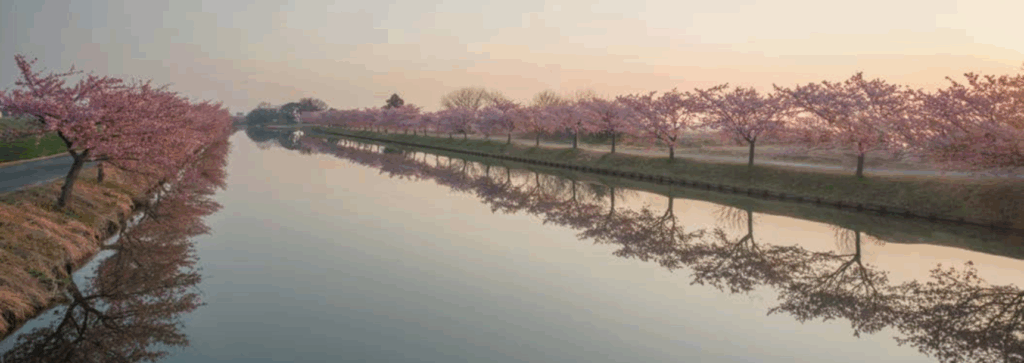
I can still picture myself walking across the Ujibashi Bridge, which leads to the sacred grounds of Kotai Jingu (Naiku) at Ise Jingu Grand Shrine, as a purifying mist fell. I continued my walk among towering trees. The atmosphere was unique, and the taste of Mie sakes filled my mouth and my memories. I climbed the steps that men have ascended for centuries to reach the heart of this shrine. It was at that moment that I understood that Mie Prefecture was more than just a place, it was a journey for the senses, something sacred…
Thank you to JETRO Mie, especially Khun Thu Rein and Takauji Tomoka for their wonderful job.
- Hanzo & Junmai Daiginjo Omachi (polishing 50%) – Ota Shuzo
- Iseman Okagesama Daiginjo Yamadanishiki (polishing 40%) – Iseman Shuzo – Kura Master Gastronomic Alliance 2025 Award
Written by Chloé Cazaux Grandpierre