
The new path of Talosa moves from the demand for absolute quality
written by Erika Mantovan
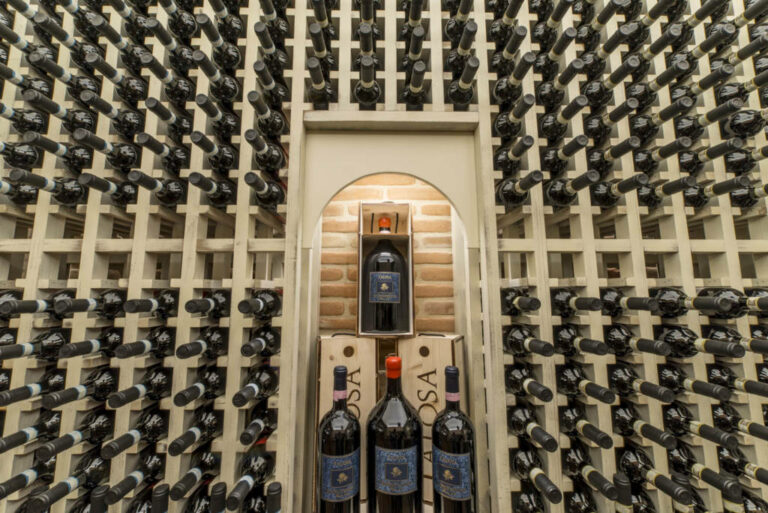
Talosa was founded in 1972 by Angelo Jacorossi, a Roman entrepreneur who discovered Montepulciano (Siena) almost by chance. From there, an enterprise was born with the goal of bringing to light the qualities of Vino Nobile di Montepulciano.
Today, it is his grandson Edoardo who has taken the reins, guiding the company into the contemporary era. His entry into the business did not come from a predefined inheritance plan. After completing a master’s degree and gaining early professional experience outside the wine world, it was his grandfather who presented him with a concrete challenge and the opportunity to develop untapped potential.
What was meant to be a transitional phase quickly turned into a genuine passion. Edoardo realized that Talosa did not need to grow in size or volume, but rather to find a clear direction. This led to the first, decisive choice: not to increase quantity, but to invest in the quality of what already existed.
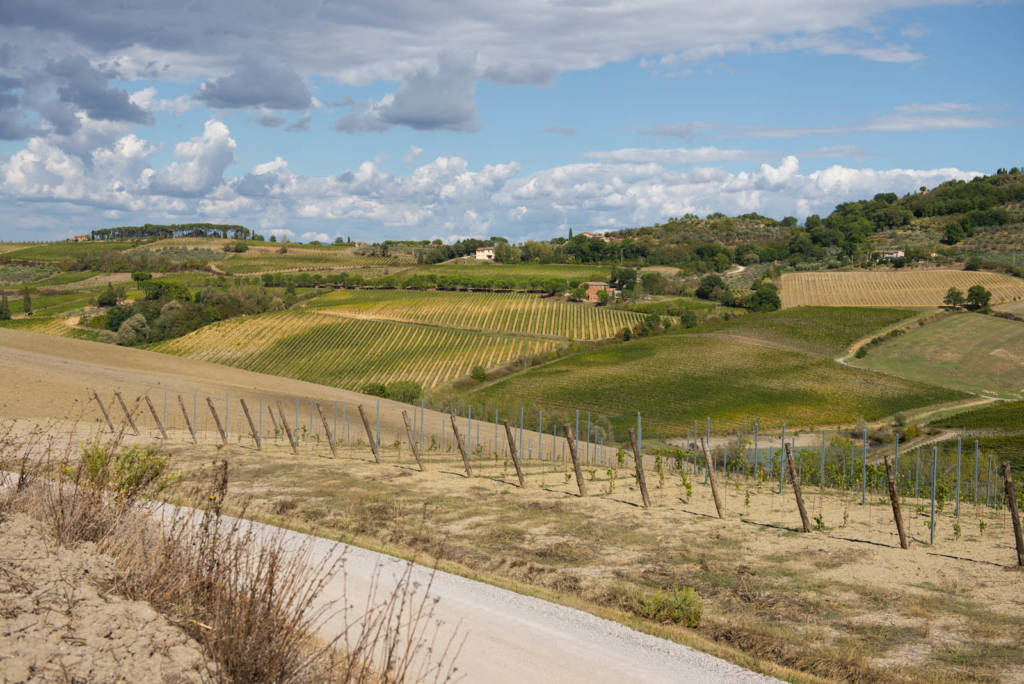
The first step was the enhancement of the historic vineyards of Pietrose, located between 420 and 450 meters above sea level with a south-west exposure. Investments in the vineyard, in the cellar, in grape selection, and in winemaking techniques have allowed Talosa to triple the average value per bottle over ten years. Here, where the soils are complex and stratified, rich in clay and sand, and even contain visible marine fossils, a total parceling of the vineyard became a natural step. There are 13 distinct vineyards, with plantings dating from 1972 to the early 2000s, with very low yields of around 40 quintals per hectare, despite a potential double production, developed over 33 hectares of vineyards, 22 of which are dedicated to Nobile. This enables Talosa to produce 100,000–110,000 bottles per year.
Where Talosa was once known for heavily extracted, long-lived wines that were challenging in youth, today the style has evolved. Extraction techniques have become more delicate, macerations more measured, without losing structure, while gaining drinkability and complexity early in the wine’s life.
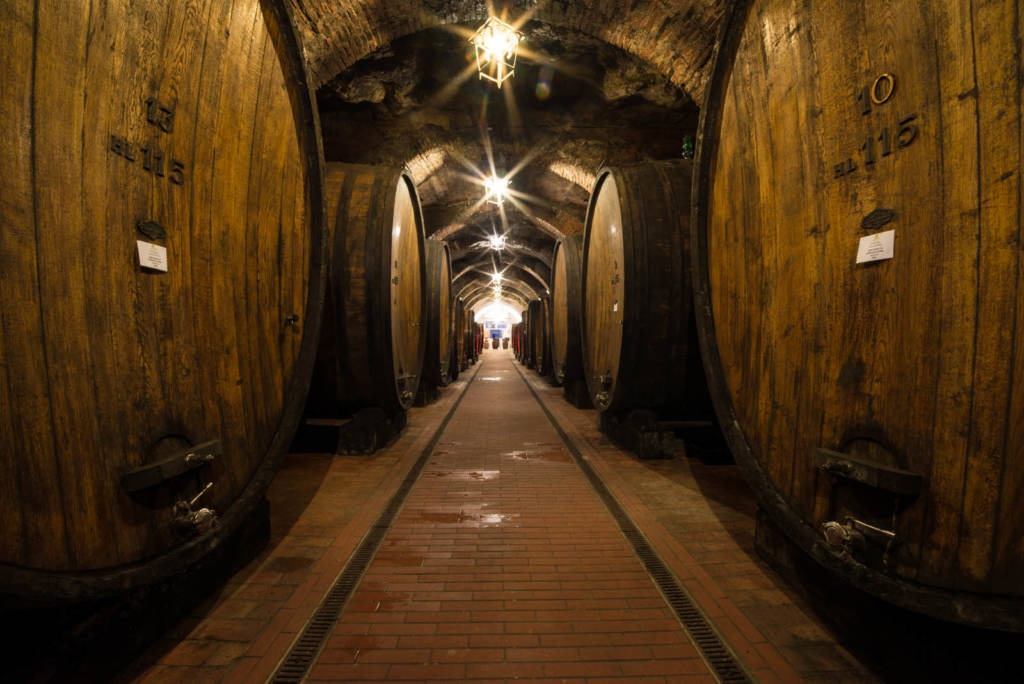
The result is wines that maintain depth and aging potential, but also speak the language of tannic precision, balance, and elegance, through aging in large casks and tonneaux. The goal is not power for its own sake, but long-lived, terroir-expressive wines of pleasure and finesse.
Two of the wines produced are among the most important for Talosa’s image worldwide, both in terms of volume and identity: Vino Nobile di Montepulciano Riserva DOCG and Vino Nobile di Montepulciano DOCG Filai Lunghi.
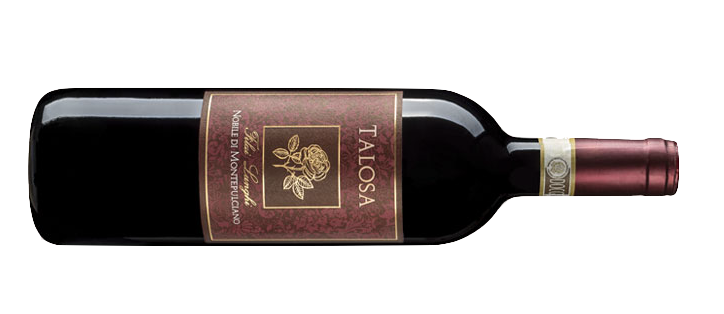
Vino Nobile di Montepulciano DOCG Filai Lunghi 2018 A modern wine, produced in 8,000 bottles, from sandy soils and vines planted with Guyot training. In this vintage, it offers aromas of blackberry, wild strawberry, and subtle sweet spices. On the palate, it is rich and fragrant, with a still-developing woody component that extends the finish, making it dynamic and engaging.
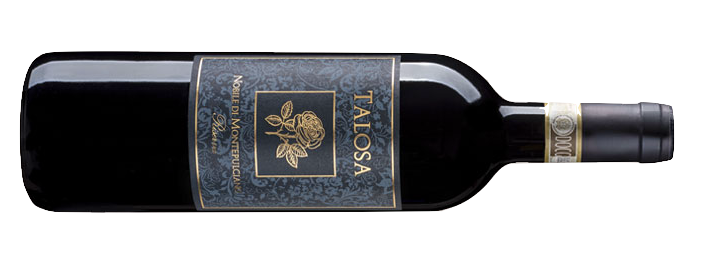
Vino Nobile di Montepulciano Riserva DOCG 2019 The company has not skipped a vintage since 2001. Representing Talosa’s image worldwide, it produces 25,000 bottles per year. Made from old vineyards on clay soils trained with spur cordon, it is aged for 12 months in 3rd-4th passage tonneaux and 24 months in large Slavonian casks of second and third passage. The result is a wine that evokes aromas of dried fruit, cherries, and balsamic touches, very fruity, full-bodied, and with a vibrant tension that carries through the palate.